


What Is Pool Chemicals
The most popular pool disinfectant is the element chlorine, in the form of a chemical compound such as calcium hypochlorite (a solid) or sodium hypochlorite (a liquid). When the compound is added to the water, the chlorine reacts with the water to form various chemicals, most notably hypochlorous acid.
Advantages of Pool Chemicals
PH Balance
Pool chemicals help maintain a balanced pH, ensuring the water is neither too acidic nor too alkaline. Proper pH helps prevent damage to pool equipment and surfaces and improves the effectiveness of other chemicals.
Algae Control
Pool chemicals help to prevent the growth of algae, which can make the water cloudy, green, and slippery. By using algaecides and other chemicals, pool owners can keep their water clear and free from algae.
Preventive Maintenance
Regular use of pool chemicals can help prevent the growth of harmful bacteria and other microorganisms that can cause waterborne illnesses. This is especially important for public pools and commercial facilities where many people are using the pool.





Why Choose Us
Experienced Team
Our team of engineers and technicians has years of experience in the industry, and we leverage that expertise to provide our clients with the best possible solutions.
Exceptional Customer Service
We pride ourselves on providing exceptional customer service and technical support to our clients, ensuring that they have a smooth and hassle-free experience.
Quality Products
We use only the highest-grade materials and advanced manufacturing techniques to produce products that are reliable, durable, and perform to the highest standards.
Competitive Price
We have professional sourcing team and cost accounting team, stive to reduce cost and profit and provide you a good price.
Sustainable Development
Establish a good reputation and brand value in the industry, and promote the sustainable, stable, rapid and healthy development of the enterprise.
One Stop Solution
From the begining inquiry and throughout the entire process until you receive the goods. we are dedicated to supporting you every step of the way.
Understanding Important Pool Chemicals
Chlorine
Chlorine is the most common and widely used pool chemical for disinfecting the water. It effectively kills bacteria, algae, and other harmful microorganisms. Both liquid and granular chlorine are available, providing different methods of application. Liquid chlorine is typically poured directly into the pool water, while granular chlorine is pre-dissolved before being added. When choosing chlorine, consider the size of your pool and the chlorine concentration required to maintain proper sanitation.
Bromine
Although less commonly used than chlorine, bromine is a suitable alternative for sanitizing pools, especially indoor or hot tub pools. It comes in tablet or granular form and is well-known for its long-lasting effect and stability at high temperatures. Bromine is particularly effective in killing bacteria and viruses, making it an excellent choice for spas and hot tubs.
PH Adjusters
Maintaining the correct pH level is vital for pool water balance. The pH scale ranges from acidic (below 7) to alkaline (above 7), with 7 being neutral. The ideal pH level for pool water is slightly above 7. If the pH level is too low, the water becomes acidic, which can cause skin and eye irritation. On the other hand, high pH levels lead to scale formation and make chlorine less effective. pH adjusters are chemicals used to raise (pH increaser) or lower (pH decreaser) the pH level as needed.
Algaecides
Algae growth is a common problem in swimming pools, especially during hot and humid weather. Algaecides are used to prevent and destroy algae, ensuring the pool remains clear and aesthetically pleasing. They come in various forms, including liquid, granular, or tablet. When selecting an algaecide, consider the type of algae present and follow the manufacturer's instructions on application.
Calcium Hardness Adjusters
Calcium hardness refers to the amount of dissolved calcium in pool water. Proper calcium hardness is crucial to prevent corrosion or scale formation on pool surfaces and equipment. Calcium hardness adjusters are used to raise or lower the calcium levels as needed. Use a test kit to measure the calcium hardness before adjusting it, as different pools may require different levels depending on factors such as water source and pool material.
Stabilizers
Stabilizers, also known as cyanuric acid, are essential for protecting chlorine from degradation due to sunlight exposure. They help maintain the chlorine's effectiveness, reducing the need for frequent dosage adjustments. However, excessive stabilizer levels can hinder chlorine's sanitizing power, so it's crucial to maintain the right balance. Regular testing of stabilizer levels is necessary to ensure optimal pool water conditions.
Pool Chemicals& Water Balancing Chemicals
Maintaining your pool chemistry correctly is all about water balance and keeping elements out of your pool - such as oils and dirt. Although there are others, the most important levels to keep on top of are pH, total alkalinity and Calcium Hardness. But what are these and what do they mean? Here's a brief explanation of each so you have a better understanding of the important role each one plays.
PH
PH is the measurement of the acidity or basicity of the water. The scale goes from 0 to 14, with 7 being neutral, under 7 being acidic and over 7 being basic. The correct pH level for pool water should stay in the range 7.4-7.6. If your pH levels fall below 7.0, the water is too acidic, making the environment corrosive. When pH levels read above 7.8, the water is too basic, causing scaly deposits to form or the appearance of cloudy water. This high of a pH also reduces chlorine potency to only 50% active.
To balance these scenarios out to the correct pH, you'll need to either add a base or an acid, depending upon your reading. If your water is too basic, add an acid to bring the pH down to prevent the formation of scale and build-up. If your water is too acidic, add a base to prevent corrosion.
Total Alkalinity
Total Alkalinity is the measurement of the carbonates, hydroxides and alkaline substances in the water. Closely related to pH, Alkalinity is a buffer to the pH, keeping it stable. If your Total Alkalinity (TA) is too low, pH levels become erratic and unstable. Your pools TA levels should read between 80-120 ppm (parts per million). If your alkalinity comes in below 80, adding a base to the pool (Alkalinity Increasers) will bring the levels back up. If the levels are too high, you'll need to add an acid to the water to lower the TA. However, this is where things can get tricky, as adding an acid to your pool water also lowers the pH.
Total Alkalinity directly affects the pH level, so if the pH is off, check the alkalinity. After that it may involve a process of lowering the TA, raising the pH, lowering the TA, etc., until you get the correct balance.
Calcium Hardness
Calcium Hardness is the measurement of the softness or hardness of water. Calcium hardness should be kept below 400 ppm, but the desired range is between 180-200 ppm. If you have hard water, the calcium or magnesium content is higher. The calcium or magnesium particles can deposit themselves on your pool's surfaces, ladders, lights and can make your water cloudy. To lower it, you may need to drain a portion of the water in your pool and replace it with soft water. If the calcium hardness is too low, your water is too soft causing pool surfaces to corrode. You will need to add a Calcium Increaser to increase the calcium hardness. The chemicals you use to balance the pH and Alkaline levels can directly affect your calcium hardness, so you must first properly balance the pH and Alkaline levels first.

Est Pool Water Regularly
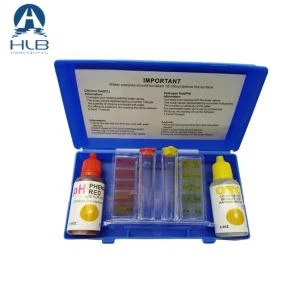
Regular testing of pool water is essential for maintaining optimal chemical balance. Test kits, available at pool supply stores, can measure various parameters such as pH, chlorine/bromine levels, total alkalinity, and calcium hardness. Aim to test your pool water at least once or twice a week and after significant weather changes or heavy pool usage. Monitoring chemical levels will help identify and address any imbalances promptly.
Follow Recommended Dosage
Pool chemicals should always be added according to the manufacturer's recommendations. Overdosing or underdosing can lead to chemical imbalances and ineffective sanitization. Use measuring cups or spoons specifically designated for pool chemicals to ensure accurate dosage. Remember, chemical reactions take time, so allow adequate time for the chemicals to disperse and distribute in the pool water before retesting or adding more.
Practice Proper Handling and Storage
Pool chemicals should be handled cautiously to ensure safety. Wear appropriate protective gear, such as gloves and goggles when handling concentrated chemicals. Store them in a cool, dry, well-ventilated area away from direct sunlight, heat sources, and flammable materials. Keep them out of reach of children and pets, and never mix different chemicals unless instructed to do so.
Maintain Routine Cleaning and Filtration
While pool chemicals play a crucial role in maintaining water quality, they are not standalone solutions. Regular cleaning and filtration are equally important. Skim the pool surface, vacuum the bottom, and clean the pool walls regularly to remove debris and prevent the buildup of algae or other contaminants. Maintain the pool's filtration system according to the manufacturer's recommendations for optimal circulation and filtration efficiency.
Pool Chemicals: The Key To Clean Pool
Even after filling your pool with fresh water, vacuum it daily, and skim it, the water would get dirty due to the debris or leaves that fall in the pool. Birds and bugs might also make the water dirty by taking a dip in the pool. Every person who swims in the pools leaves behind dead skin cells, body oils, soap, and shampoo used and naturally, water gets contaminated by these pollutants. The best option to keep the water clean is to use pool chemicals. Here is the list of pool chemicals that can be used for keeping pool water safe and clean.
Sanitizers
Regardless of the type of sanitizer you use, the sanitizer's job is to kill the bacteria or virus present in poolwater. Sanitized water is always free from algae, bacteria, viruses, and other nasty things that might grow in untreated water.
Chlorine
Chlorine is one of the best and common chemicals used to sanitize a pool. Chlorine is regarded as a strong oxidizer and effective algaecide, which helps keep your pool safe and clean for children and family members.
For chlorine to be effective, it should be added regularly to maintain the levels between 1 to 3 ppm in the poolwater. There are automated systems available that transform salt crystals into chlorine and dispense them into pool water regularly to maintain the pH.
Bromine
Bromine is less effective but at the same time more stable than chlorine. Bromine is mostly used in situations where the conditions are very hot. One of the disadvantages of this chemical is that it does not last much longer when exposed to sunlight's UV rays.
Algaecides
Algaecides are particular pool chemicals used for adding an extra level of protection against algae that grow in swimming pools. Some of the common algaecides used for pools are
Quaternary Ammonia: This is the most effective chemical for controlling algae growth and is mostly available in liquid concentration. Always be sure to use the right concentrations as overdose can cause foam in the pool leading to agitation in swimmers
Polyquats: These chemicals are used to stubborn or stop the growth of algae. Generally found in 50 to 60% concentrations and better at killing algae and bacteria.
Borates: Stops the growth of algae effectively as the chemical can process Carbon dioxide. Borates also act as sanitizers and improve the clarity of the water.
Oxidizers
Oxidizers are also known as sanitizers and can be used every week for killing algae and bacteria. There are chlorine and non-chlorine-based oxidizers that can be used for your pool. Oxidizers, also called shock treatment chemicals, are to be used based on the type of water in the pool because the use of shockers increases the chlorine levels in the water. Some of the most used oxidizers are
●Sodium Di-Chlor
●Calcium Hypochlorite
●Lithium Hypochlorite
●Sodium Hypochlorite
Cyanuric Acid
Even though chlorine is the most used chemical, it does not stick with water when exposed to sunlight or extreme heat. So you need to use stabilizers that help to maintain the chlorine levels in the pool. Cyanuric acid is an effective pool stabilizer, that helps to keep more chlorine. Many chlorine tablets have Cyanuric acid, and it is essential to avoid overdosage as it might be harmful to your pool and water.
Chemicals such as sanitizers, oxidizers, and water balancers should be used in order to maintain a clean pool.
Sanitizers, such as chlorine tablets, TriChlor, DiChlor, bromine, and cyanuric acid, are needed to sanitize, disinfect, chlorinate, and protect chlorine from damage by UV rays. Bromine works better in hot water, so it works better in spas.
Oxidizers, such as pool-shock, calcium hypochlorite, chlorine free shock, and lithium shock, are needed to kill algae and bacteria, sanitize, and boost chlorine levels. Lithium shock is great to use in pools with liners because it won't bleach and damage the liner.
Water balancers, such as pH increaser, pH reducer, alkalinity increaser, calcium hardness increaser, chlorine neutralizer, algicides, clarifiers, enzymes, filter cleaners, metal magnets, phosphate removers, stain removers, and tile and vinyl cleaner, are needed to increase pH when needed, reduce pH when needed, increase alkalinity when needed, increase calcium hardness when needed, lower chlorine levels when needed, prevent algae from returning, break down contamination for easier removal, clean filters, prevent stains, and remove oil and grease build up around water line.
While maintaining a pool can be a lot of work, it is important to check all levels weekly to prevent any chemical imbalances. While you can do this yourself, it is recommended, and a lot easier, to leave it to the professionals. By doing so, you can save a lot of time and space and avoid damaging your pool or harming yourself or children by using too much or too little of a chemical.

Choosing Pool Chemicals Wisely
Understand Your Pool's Size and Usage
The first step in choosing the right pool chemicals is understanding your pool's size, usage pattern, and purpose. The chemical requirements of a small residential pool may differ from those of a large commercial pool. Determine the average number of swimmers, whether it is an indoor or outdoor pool and the frequency of use. This information will guide you in selecting the appropriate chemicals and dosage requirements.
Consider Water Source and Quality
The water source used to fill your pool can significantly impact its chemical balance. Different regions have varying water compositions, with variations in minerals and impurities. If you have well water or use municipal water, it's advisable to test its chemical composition before adding it to the pool. Testing will help determine whether additional chemicals, such as water clarifiers or sequestrants, are required.
Read Product Labels and Follow Instructions
When purchasing pool chemicals, carefully read the product labels and instructions provided by the manufacturer. The labels contain crucial information on proper usage, dosage requirements, safety precautions, and potential hazards. Adhering to these guidelines is critical for effective and safe pool chemical usage. Failure to follow instructions can lead to inadequate sanitization, chemical imbalances, or even harm to swimmers.
Seek Professional Advice
If you are unsure about the specific pool chemicals required or how to effectively use them, consider seeking professional advice from a pool maintenance specialist or water treatment professional. They can provide personalized recommendations based on your pool's unique characteristics and help maintain optimal water quality. Professional advice is especially beneficial for commercial pools or those experiencing persistent chemical imbalances.
Five Tips For Storing Pool Chemicals
When considering where to store pool chemicals, the best storage locations are areas out of direct sunlight. Pool chemicals react poorly to sunshine and heat, and require a dark, cool environment to control for any potential reactions.
Make sure that any outdoor storage of pool chemicals is as far away from your pool as possible and in a dry, covered area. Humidity or even small amounts of pool water can cause chemical reactions that could lead to dangerous fumes.
Choose a location with ample ventilation for storing pool chemicals. In areas with little airflow, dangerous fumes can quickly accumulate if chemicals do start to react. Ventilation is even more important when multiple pool chemicals are stored in close proximity to each other, as certain chemicals may create a hazardous reaction when combined.
It might seem logical to stack different chemicals on top of each other, but haphazardly arranging your pool chemicals is not advisable. Storing pool chemicals requires careful attention to the product label instructions for each pool chemical. Material Data Safety Sheets (MSDS) are provided with each pool chemical upon purchase and should be referenced with care. Keep in mind to never store oxidizers and acids close to each other.
Once you have designated a secure storage location, take care to never store any chemicals on the floor or above your head. This reduces the risk of items falling or spilling. In addition, avoid stacking liquid chemicals above powdered ones due to risk of a hazardous reaction.
Outdoor storage areas for pool chemicals should be situated away from anything flammable. Keep any gas-powered equipment, like your lawnmower, in a completely different location. The storage site should also be away from sources of heat, like an outdoor fire pit or grill.
Reusing pool chemical containers or transferring chemicals to another container is never recommended as it can create a dangerous situation. When storing pool chemicals, always use the original containers with their labels clearly legible. Each container was designed for the specific storage requirements of the chemical it contains, so it is never advisable to switch containers.
Even if you're handling the same type of chemical, mixing a new batch of a chemical with a leftover batch of the same chemical can lead to a reaction from the older residue, or create fumes. With this in mind, make sure to use separate tools and measuring items for each chemical and keep these instruments clean. When you're ready to begin mixing your pool chemicals, wear long sleeves, pants, and closed-toed shoes that fully protect your feet from spills.
Our Factory
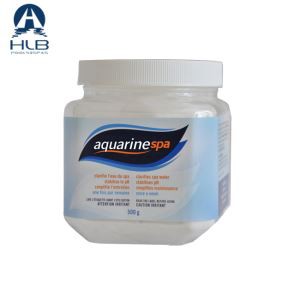
Shenzhen Hailanbao Technology Co.,Ltd was founded in 2000. Main business is manufacturing and trading Pool Spa and Fountain equipment as well as water maintenance chemicals, including Robotic Pool cleaners, Pool Liners, Pool fittings, Chorine and Aquarine clarifier etc. Fountain service includes designing, construction and maintenance. Programs can be large music fountain, water curtain film, bridge body water curtain, stage light show, scenic area large multimedia water show.

FAQ
Shenzhen Hailanbao Technology Co., Ltd. is one of the most professional pool chemicals manufacturers and suppliers in China, featured by durable products and low price. Please rest assured to buy or wholesale customized pool chemicals from our factory. Contact us for quotation.
pool chlorine granules, pool plumbing fittings, pool diving board springs