


Shenzhen Hailanbao Technology Co., Ltd
Shenzhen Hailanbao Technology Co., Ltd. was established in 2000. The main business is the manufacture and sale of pool spa and fountain equipment and water maintenance chemicals, including robotic pool cleaners, pool liners, pool accessories, chlorine and aquarium clarifiers, etc.
Why Choose Us
Experienced Team
Our team of engineers and technicians has years of experience in the industry, and we leverage that expertise to provide our clients with the best possible solutions.
Exceptional Customer Service
We pride ourselves on providing exceptional customer service and technical support to our clients, ensuring that they have a smooth and hassle-free experience.
Quality Products
We use only the highest-grade materials and advanced manufacturing techniques to produce products that are reliable, durable, and perform to the highest standards.
Competitive Price
We have professional sourcing team and cost accounting team, stive to reduce cost and profit and provide you a good price.
Sustainable Development
Establish a good reputation and brand value in the industry, and promote the sustainable, stable, rapid and healthy development of the enterprise.
One Stop Solution
From the begining inquiry and throughout the entire process until you receive the goods. we are dedicated to supporting you every step of the way.




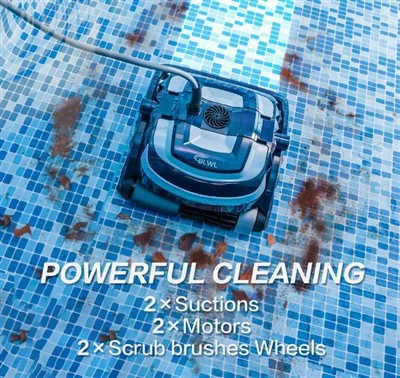


Swimming Pool Products include
What Is Household Swimming Pool Pump
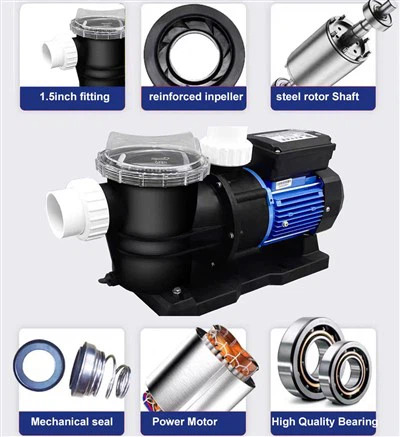
The swimming pool pump is basically the core part of the swimming pool circulation system. It is responsible for pumping water from the pool through a series of pipes. It travels through the skimmer and main drain, which captures large debris, until it pushes through a filter to filter out smaller debris. Until the water returns to the pool through the main circuit.

All of the pump's inner workings fit in or onto the pump's housing. The pump's housing holds up extremely well under duress from heat, rain, and water pressure.
The strainer lid is the pump's main inspection point and will help determine a system's health. The strainer basket collects debris before it reaches the important parts of the pump. It will help prevent hard debris like pebbles from surging into the pump and chilling the impeller.
The gaskets and seals are what keep your equipment pad dry and your water moving. There are four main gaskets and seals on a pool pump: lid gasket, diffuser gasket, housing gasket, and shaft seal. The lid gasket is located on or under the strainer lid. The diffuser gasket is found on the cone tip of the diffuser. The housing gasket is the largest and is found in the seam between the main housing on the motor seal plate. The shaft seal sits underneath the impeller on the shaft or the motor. This is the most important seal as it prevents water from surging into the motor and causing fatal damage. The seal plate is a motors mounting flange that allows it to be secured to the pump housing.
Attached to the back of the pump housing is the motor. The motor is the driving force behind the pump. It creates the churning force necessary to prime the pump and circulates water.
The impeller transforms the spinning shaft of the motor into the pulling force for pumping. An impeller is essentially two discs glued together to sandwich fan blades. The diffuser amplifies the pull of the impeller by creating a tightly enclosed vacuum lock to the front housing to maximize its power. The diffuser resembles a funnel that shrouds the impeller sealed by the diffuser gasket.
The impeller ring is a plastic ring that fits the tip of the impeller. The purpose is to act as an extension of the impeller to ensure a seal between the impeller and the diffuser. The impeller screw is meant to secure an impeller to internally threaded shaft motors.
The relationship between pool pumps and filters is a crucial aspect in ensuring clean and clear swimming pool water. The maximum pump flow rate for a swimming pool must be the same or less than the maximum filter flow rate to guarantee optimal filtration. It is also important to make sure the pool pump flow rate is higher than the minimum flow requirements to ensure the proper functioning of the pool's filtration system.
Additionally, when the pump flow rate exceeds the maximum specifications, the pool filter won't work effectively. This is because the flow rate of the pool water pump will be greater than the filter media flow rate (FMR), or the volume of water that a pleated filter or sand filter can handle. This will result in debris going back into the pool, leading to poor water filtration and an unpleasant swimming experience. An excessive flow rate also puts stress on the pool filter, shortening its life, regardless of the type of filter used.
On the other hand, if the pump flow rate is too low, it will increase the time it takes to pump the pool water and for certain filters, the filter won't backwash properly. This will result in poor filtration and may cause water quality issues.
The easiest way to determine the flow capacity of your pool filter is to find the model number, which is usually written on the side of the filter. Then search for it online to find the maximum and minimum flow rates before choosing a pump for your pool.
The flow rate of a pool water pump is measured in gallons per minute (GPM) and the flow rate of a pool filter is also measured in GPM, representing the maximum amount of water the filter can process in a given minute, making for an easy comparison. The flow rate of the pump must be equal to or less than the flow rate of the filter for optimal filtration.

How to Prime a Household Swimming Pool Pump
Fill The Housing
Valve off your pump if you can. The inlet side is more important since this is where the water will go once you put water in the pump basket to help prime it.
If done correctly, the pump housing should be filled and the lid should be on tightly.
Remember that you are introducing water to where air is so the pump can grab the water and pull it. This is a lot easier with a valve because it will stop the water from flowing back into your pool.
Set the Multi-Port and Check Valves
Set the multi-port to filter and check that all valves are open to allow water flow.
Run The Pump And Watch
Turn on the pump and watch for water to come out of the inlet side and spill into your pump housing. This can be seen through the clear lid on most pumps. Initially you will see the water in the basket get sucked out quickly - this is normal.
Once the initial water gets sucked out, look for water to come through the inlet side of the pump into the pump housing. This will indicate if it is working or not.
Watch the Pump Fill With More Water
If you see a small trickle of water come from the inlet side into your basket this means that the pump is able to grab the water slightly. Most of the time if the pump is left on it will gradually be able to overcome the air in the system and will prime itself.
You will know when your pump is fully primed when you see what is called a “double cyclone” in the clear lid and there is no more air coming out of your return.
Repeat As Necessary Until Water Comes Out of Inlet
If the pump doesn't start sending out water after 10 seconds or you do not see any water entering from the inlet side after the initial basket of water gets sucked out, turn the pump off and close all valves, and refill the pump housing. Don't let the pump run while dry.
Repeat the first four steps until you get water to come out of the inlet side.
Products Description
The pool pump is the heart of your pool's operation, and when it fails, everything comes to a halt. To ensure you can enjoy your pool and avoid water problems, it's important to take good care of your pump. Luckily, properly positioning your pump and keeping up with some basic maintenance can help you avoid many of the most common pool pump problems. Start with these five tips.
If your pool pump is below water level, it may fall victim to flooding, which can cause permanent motor damage or create a short circuit in the electrical system. To avoid this problem, raise the pump off the ground or dig a small trench around it and fill it with gravel. This will improve drainage and limit plant growth.
It's also important that the pump isn't placed too high. Otherwise, it can run dry and overheat. If this happens, you may be able to fix the problem by installing check valves in the plumbing leading up to the pump. These work by preventing water from draining out of the pump and back into the pipes.
For the pool pump to work properly, the pool's water line should always be at mid-skimmer level. When the water level gets too low, the pump can dry and overheat. The resulting high temperatures can warp essential components and may melt the pump basket, break the seal shaft, and/or shrink the PVC threads. You can prevent this from happening by regularly checking the pool's water levels and adding water before the line falls too low.
Falling leaves, branches, and other debris can restrict airflow into the pool pump, which can clog the pump and/or cause it to overheat. Plant materials can also trap moisture inside the pool pump, which can lead to corrosion.
To prevent this problem, maintain a two-to-three-foot clearing around and above your pool pump. Once a week, check your pump area and remove any debris that has fallen on or around it.
Normal wear and tear often leads to air leaks developing around the pump lid seal, filter bands, valves, and pump drain plugs. If the leak occurs before the pool pump, it can cause air to get trapped inside. This makes the pump work harder than it should and increases the chances of overheating.
When performing your pool maintenance, inspect the pump for leaks and fix any problems right away. In some cases, you may need to replace a faulty part, or you may be able to stop the leak with a silicone-based sealant.
It's fairly common for insects to get inside pool equipment and damage the electronics or the wiring. In some cases, they can cause enough damage to completely short-circuit your pool pump. You can keep this from happening by sealing up any access points that would allow pests to get into your breaker box or any pool equipment that contains electronics.

Solar pool heating systems use the sun's thermal energy to heat pool water. Similar to solar photovoltaic (PV) panels, solar collectors used to heat water in swimming pools are often installed on roofs. Water from the pool is pumped through filters to solar collectors on the roof.
The efficiency of a solar pool heating system is determined by its thermal performance rating. You can find the thermal performance rating from the manufacturer if available. It’s measured by the Btu (British thermal unit) per square foot per day.
It’s often expressed in this way: Btu/(ft2day). It can also be measured with Btu per day, which equals the Btu/(ft2day) measurement multiplied by the area in feet squared. or, you can measure it by kilowatt hours per square meter per day.
The higher the number you get from the measurement formulas above, the more efficient the solar heating system is. Note, however, that if two heating systems have ratings within 25 Btu/(ft2day) of each other, they can be considered around the same efficiency because factors like test condition constraints, instrumentation accuracies, and weather conditions may vary.


A solar pool heater is an easy-to-use tool that provides a significant amount of power to heat your pool to the right temperature. it uses the sun to do so. Here is a quick breakdown of how a solar pool heating system can work for your needs.
An automatic control valve in the heating unit pushes water through a solar collector and back into your pool. The water circulates through your pool. As it moves from the heater into the pool, it’s warmed just to the level you desire.
The water comes back into the system to be heated over and over again, much like the way your filter system pulls contaminants out of your pool. Most often, it works right alongside your pool filter to do this.
The entire process operates using solar power. That means the heater is designed to collect solar rays, turning them into usable power for your pool. The entire process is seamless - there is nothing complicated to worry about here. Once installed by a professional, it’s a rather hands-free method for heating your pool.
Benefits of Using a Solar Pool Heating System
There are different ways of heating your pool, such as using a gas pool heater, heat pump pool heaters, and solar pool heating system.
Using a swimming pool solar heating system is the most popular option as it is eco-friendly and affordable. Typically, solar pool heaters work when solar panels are mounted on areas that receive direct sunlight and clean filtered water is passed through the panels. If you are not familiar with the working of a solar heating kit, you can contact a solar company to help you set up your swimming pool solar heating system.
Below is an ultimate guide on solar pool heating system.
Environmentally Friendly
Unlike the traditional heaters, gas, and electricity; solar pool heating systems are eco-friendly because the solar panels have reduced carbon footprint. Using solar pool heaters in place of electric pool heaters eliminates the need to burn fossil fuels. This results in reduced smog created by the emission of nitrogen dioxide and limits the greenhouse effect.
Choosing to use a swimming pool solar heating system reduces carbon dioxide that would have been released into the atmosphere were gas pool heaters used. Using solar power as a source of energy cuts back on global warming and creates a much healthier environment.
Solar Pool Heaters are Affordable
Heating a swimming pool requires a tremendous amount of energy. Opting to use solar energy eliminates recurring monthly expenses as you only need to cater for the installation cost. Utilizing solar pool covers ensures that your pool absorbs the heat from the sun and transfers it to the pool’s surface.
You could also create extra warmth for your pool by using solar sun rings that float on the surface of the pool. The swimming pool solar heating system is cheaper in the long run as opposed to gas and electric solar heating system.
Low Maintenance
Maintaining your solar pool heating system in the best condition requires cleaning of filters as recommended by the manufacturer. By doing so, adequate water is supplied to the solar collectors. Regularly checking on the pool’s pH and chlorine level ensures that your solar heating system runs smoothly for an extended period.
There are essential features of a swimming pool solar heating system that require to be inspected during a maintenance schedule. Heat pump settings, temperature gauge, water flow valves, solar panels, and strip collectors are just a few things you need to test at least once a year.
Extends Pool Season
A swimming pool solar heating system ensures that the water passing through the thermal panels goes into the pool and the process is repeated until the desired temperature is reached. Having a solar pool heating system ensures you can enjoy swimming even during the cold season. On average, a swimming pool owner uses the pool three or four months a year when the weather is favorable.
Extension of swimming season means you can now spend more quality time with your loved ones. A heated pool improves your health by allowing you to exercise throughout the year.
Highly Durable
Without a doubt, the swimming pool solar heating system is dependable, and the highest mark of dependability is durability. When correctly maintained, solar pool heaters could last for a longer period compared to gas and electric pool heaters. Most solar panels come with a warranty and generally last up to 15 years.
Most solar pool heaters are made of polypropylene which is an ideal material as it is resistant to corrosion and UV radiation. The failure rate of solar pool heaters is lesser than in the traditional pool heaters.
What Are The Best Ways To Optimize a Solar-Powered Pool Heating System
Choose The Right Collector Type
Solar pool heating systems use collectors to absorb the sun's heat and transfer it to the pool water. There are different types of collectors, such as glazed, unglazed, evacuated tube, and polymer. The best collector type for your pool depends on your climate, budget, and pool size. Generally, unglazed and polymer collectors are cheaper and more suitable for mild climates, while glazed and evacuated tube collectors are more expensive and more efficient in colder climates.
01
Size The Collector Area Properly
The collector area is the surface area of the collectors that is exposed to the sun. The size of the collector area affects the heating capacity and the cost of the system. To size the collector area properly, you need to consider the pool size, the desired temperature, the solar radiation, and the collector efficiency. A common rule of thumb is to have a collector area that is 50% to 100% of the pool surface area, depending on these factors.
02
Orient And Tilt The Collectors Optimally
The orientation and tilt of the collectors affect how much solar energy they can capture. The optimal orientation and tilt depend on your location and the season. For example, in the northern hemisphere, the collectors should face south and have a tilt angle that is equal to the latitude plus 15 degrees in winter, and equal to the latitude minus 15 degrees in summer. You can use online tools or consult a professional to find the best orientation and tilt for your collectors.
03
Install a Controller And a Bypass Valve
A controller and a bypass valve are essential components of a solar pool heating system. The controller monitors the temperature of the pool water and the collectors, and activates a pump to circulate the water through the collectors when there is enough solar heat available. The bypass valve allows you to divert the water flow away from the collectors when the pool is already warm enough or when there is no solar heat available. These components help you regulate the pool temperature and save energy.
04
Maintain The System Regularly
TLike any other equipment, a solar pool heating system needs regular maintenance to ensure its optimal performance and longevity. You should check the system for leaks, cracks, dirt, and debris at least once a year, and clean and repair any damages as soon as possible. You should also drain and winterize the system if you live in a freezing climate, and protect the collectors from strong winds and hail. A well-maintained system can last for 15 to 20 years or more.
05
Our Factory
Shenzhen Hailanbao Technology Co.,Ltd was founded in 2000. Main business is manufacturing and trading Pool Spa and Fountain equipment as well as water maintenance chemicals, including Robotic Pool cleaners, Pool Liners, Pool fittings, Chorine and Aquarine clarifier etc. Fountain service includes designing, construction and maintenance. Programs can be large music fountain, water curtain film, bridge body water curtain, stage light show, scenic area large multimedia water show.

FAQ
Shenzhen Hailanbao Technology Co., Ltd. is one of the most professional swimming pool products manufacturers and suppliers in China, featured by durable products and low price. Please rest assured to buy or wholesale customized swimming pool products from our factory. Contact us for quotation.