Can I leave my pool pump on all the time?
Leave a message

Yo! I'm a supplier of pool pumps, and I get this question a lot: "Can I leave my pool pump on all the time?" Let's dive right into it and figure out what's up with keeping that pump running non - stop.
The Upsides of Leaving the Pool Pump On All the Time
First off, there are some pretty good reasons why you might want to leave your pool pump on constantly. Think about it like your home HVAC system. When it runs regularly, it keeps the air in your house fresh and at a comfortable temperature. Your pool pump is kind of the same deal for your swimming pool.
1. Constant Filtration
Leaving the pump on all the time means continuous filtration. The pump sucks water from the pool, sends it through the filter, and then back into the pool. This process gets rid of debris like leaves, bugs, and dirt. Without continuous filtration, these things can start to pile up in your pool, making the water look murky and uninviting. It also means that any small particles, which might otherwise settle on the pool floor and be tough to clean later, are constantly being caught in the filter. For example, pollen from nearby trees can easily float into your pool. If the pump is on all the time, it will quickly remove this pollen before it has a chance to stain the pool surface or cause an allergic reaction for swimmers.
2. Chemical Distribution
Another great thing about running the pump non - stop is that it helps distribute pool chemicals evenly. When you add chlorine or other sanitizers to your pool, you want them to be spread out throughout the water. The pump circulates the water, ensuring that the chemicals reach every corner of the pool. This is crucial for maintaining proper water chemistry, which keeps the water safe and healthy for swimming. If the pump isn't running enough, you might end up with spots in the pool where the chemical concentration is too low, allowing bacteria and algae to grow.
3. Reduced Algae Growth
Algae thrive in stagnant water. When the pool pump is running all the time, the water is constantly moving. This movement makes it difficult for algae to form and spread. The continuous flow brings fresh, sanitized water to all areas of the pool, creating an environment that's less hospitable to algae. So, if you're tired of dealing with that green, slimy stuff on your pool walls, leaving the pump on could be a game - changer.
The Downsides of Leaving the Pool Pump On All the Time
However, it's not all sunshine and rainbows when it comes to leaving your pool pump on 24/7. There are some drawbacks you need to consider.
1. High Energy Costs
Pool pumps are energy - hungry machines. Running one all the time can really hit your wallet hard. The electricity bill can skyrocket, especially if you have a large pool or an old, inefficient pump. You might find yourself spending a small fortune just to keep the pump running. For instance, if your pump uses 1.5 kilowatts of power and runs continuously for a month, you're looking at a significant amount of energy consumption.
2. Wear and Tear
Just like any other mechanical device, the more you use it, the more it wears out. Leaving the pool pump on all the time means that the motor, impeller, and other parts are constantly in use. This can lead to premature failure of these components. You'll end up having to replace parts more often, which can be costly. And let's not forget about the inconvenience of having a broken pump in the middle of pool season.
3. Over - Filtration
Believe it or not, over - filtration can be a problem. Constantly pushing water through the filter can cause it to clog up faster. When the filter is clogged, it has to work harder, which can reduce its lifespan. You'll also need to clean or replace the filter more frequently, adding to the overall maintenance cost of your pool.
What to Consider Before Deciding
Before you make a decision about whether to leave your pool pump on all the time, there are a few things you need to take into account.
1. Pool Size
The size of your pool matters a lot. Larger pools require more circulation to keep the water clean and chemical - balanced. If you have a big pool, you might need to run the pump for longer periods, but not necessarily all the time. Smaller pools can often get by with less pump runtime.
2. Usage
How often you use your pool is another important factor. If you're using your pool every day, you might need to run the pump more to keep the water clean and safe. But if it's a rarely - used pool, like a vacation home pool, you can probably get away with running the pump less frequently.
3. Pump Efficiency
Newer pool pumps are designed to be more energy - efficient. If you have an old pump, it might be worth upgrading to a more efficient model. This can reduce the energy cost of running the pump, even if you do choose to leave it on for longer periods.
Alternatives to Leaving the Pump On All the Time
If you're worried about the high energy costs and wear and tear of leaving the pump on all the time, there are some alternatives.
1. Timer Settings
Most modern pool pumps come with timer settings. You can program the pump to run for a certain number of hours each day. For example, running the pump for 8 - 12 hours a day can be enough to keep the water clean and well - circulated for most pools. You can set the timer to run during off - peak energy hours to save on electricity costs.
2. Variable - Speed Pumps
Variable - speed pumps are a great option. These pumps can adjust their speed based on the pool's needs. You can run the pump at a lower speed for continuous, low - energy filtration and then increase the speed when you need more powerful circulation, like after a heavy rain or a pool party.
Other Pool Accessories You Might Need
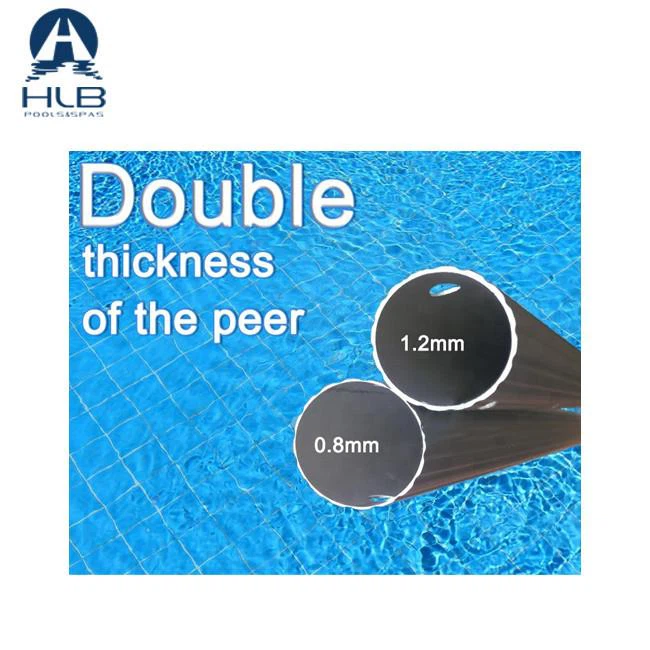
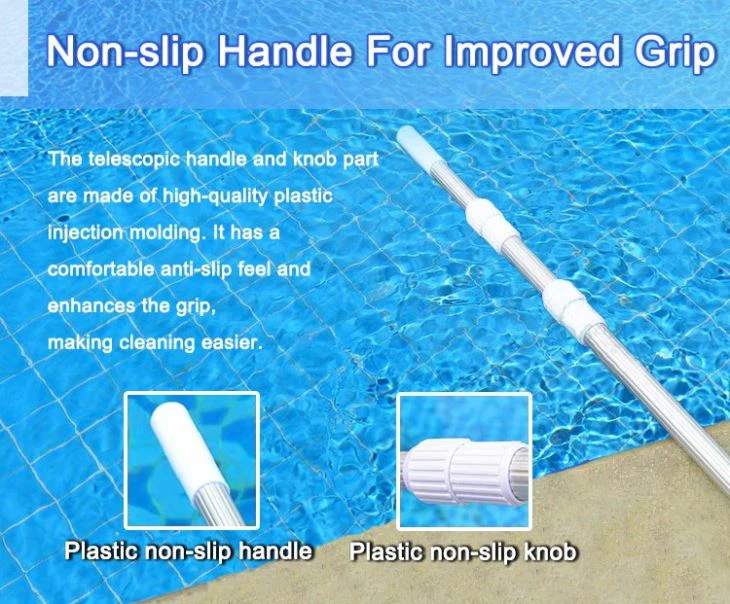
While we're talking about pool maintenance, there are some other great products you might want to consider. For example, the Pool Extension Pole is super useful for reaching those hard - to - get spots in your pool. Whether you need to scoop out leaves or clean the pool walls, this pole makes the job a breeze.
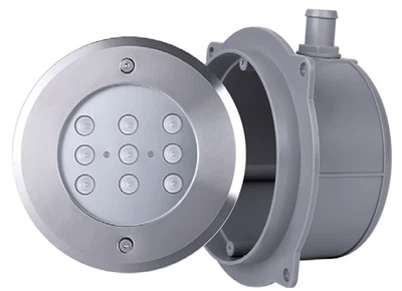
Another cool product is the Color Changing Underwater Spotlight. It not only adds a fun and decorative touch to your pool but also improves visibility at night, making your pool safer for swimming.
And don't forget about the Swimming Pool Rail Grips. These grips provide extra safety and comfort when getting in and out of the pool, especially for kids and the elderly.
Wrapping It Up
So, can you leave your pool pump on all the time? The answer is yes, you can, but it's not always the best idea. There are pros and cons to consider, and it really depends on your specific situation. If you're still not sure what to do, or if you're interested in learning more about our pool pumps or other pool products, don't hesitate to get in touch. We're here to help you make the best decision for your pool and ensure you have a great swimming experience all season long.
References
- "Pool Pump Basics" by Pool & Spa News Magazine
- "Energy - Efficient Pool Pump Options" from the Department of Energy