What are the disadvantages of vinyl pool liners?
Leave a message

Hey there! As a pool liners supplier, I've got a lot of experience with different types of pool liners, including vinyl ones. While vinyl pool liners are popular for their affordability and easy installation, they're not without their drawbacks. In this blog post, I'll share some of the disadvantages of vinyl pool liners that you should consider before making a decision.
Durability Issues
One of the biggest cons of vinyl pool liners is their relatively short lifespan compared to other liner materials. On average, a vinyl liner can last anywhere from 5 to 12 years, depending on a variety of factors like water chemistry, sun exposure, and how well it's maintained. Over time, the vinyl can start to show signs of wear and tear, such as fading, cracking, or stretching.
Exposure to sunlight is a major culprit when it comes to the degradation of vinyl pool liners. UV rays can break down the chemical bonds in the vinyl, causing it to become brittle and more prone to damage. If your pool is located in an area with a lot of direct sunlight, you might notice that your liner starts to fade or develop small cracks after just a few years.
Another durability issue is the risk of punctures. Vinyl is a relatively soft material, which means it can be easily punctured by sharp objects like tree branches, rocks, or even the feet of pool users. A single puncture can lead to leaks, which can be a hassle to repair and can also cause water damage to the surrounding area.
Maintenance Challenges
Maintaining a vinyl pool liner requires a bit more effort compared to other types of liners. You need to be extra careful with the chemicals you use in your pool, as certain chemicals can damage the vinyl. For example, high levels of chlorine can cause the vinyl to fade and become brittle over time. It's important to regularly test your pool water and keep the chemical levels within the recommended range.
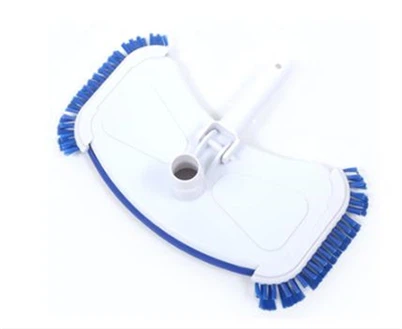
Cleaning a vinyl pool liner also requires some special considerations. You can't use abrasive cleaners or scrubbers, as these can scratch the vinyl and make it more susceptible to damage. Instead, you'll need to use a soft brush or a Swimming Pool Vacuum Head specifically designed for vinyl liners. This can make the cleaning process a bit more time-consuming and delicate.
In addition to regular cleaning, you'll also need to inspect your liner regularly for signs of damage. Look for any cracks, tears, or signs of wear and tear, and address them as soon as possible. If you notice a small crack or tear, you can usually repair it yourself using a vinyl patch kit. However, if the damage is more extensive, you might need to call in a professional.
Aesthetic Limitations
While vinyl pool liners come in a variety of colors and patterns, they might not offer the same level of aesthetic appeal as other liner materials. Over time, the color of the vinyl can fade, especially if it's exposed to a lot of sunlight. This can make your pool look dull and less inviting.
Another aesthetic issue is the appearance of wrinkles. Vinyl liners can sometimes develop wrinkles during installation, and these wrinkles can be difficult to remove. Even if the liner is installed perfectly, it's still possible for wrinkles to develop over time due to changes in temperature or water pressure. Wrinkles can not only be unsightly, but they can also create areas where dirt and debris can accumulate, making it more difficult to keep your pool clean.


Cost of Replacement
When it comes time to replace a vinyl pool liner, the cost can be a bit of a shock. While the initial cost of a vinyl liner is relatively low compared to other types of liners, the cost of replacement can add up over time. You'll need to factor in the cost of the new liner, as well as the labor cost for installation. Depending on the size and complexity of your pool, the cost of replacing a vinyl liner can range from a few thousand dollars to over ten thousand dollars.
In addition to the financial cost, replacing a vinyl pool liner can also be a time-consuming process. You'll need to drain your pool, remove the old liner, and then install the new one. This can take several days, during which time you won't be able to use your pool.
Compatibility with Pool Features
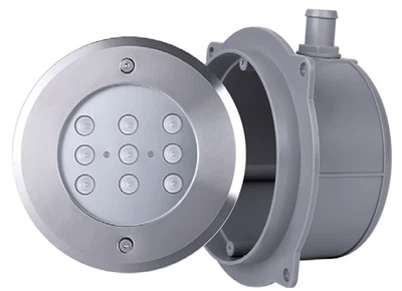
If you're planning to add certain features to your pool, such as a LED Inground Pool Wall Mounted Light or Auto Electric Pool Cleaners, you might run into some compatibility issues with a vinyl pool liner.
For example, installing a wall-mounted light in a vinyl pool liner requires special care to ensure that the liner is not damaged during the installation process. You'll need to make sure that the light fixture is properly sealed to prevent water from leaking behind the liner. Similarly, some types of pool cleaners might not be suitable for use with vinyl liners, as they could potentially damage the vinyl.
Conclusion
As you can see, while vinyl pool liners have their advantages, they also come with several disadvantages. Durability issues, maintenance challenges, aesthetic limitations, the cost of replacement, and compatibility issues are all factors that you should consider before choosing a vinyl pool liner.
However, don't let these disadvantages scare you off completely. If you're willing to put in the extra effort to maintain your liner and take the necessary precautions to protect it, a vinyl pool liner can still be a great option for your pool.
If you're still unsure whether a vinyl pool liner is the right choice for you, or if you have any questions about our pool liners or other pool products, feel free to reach out to us. We're here to help you make an informed decision and find the best solution for your pool.
References
- "Pool Liner Maintenance and Care." Pool & Spa News.
- "The Pros and Cons of Vinyl Pool Liners." Backyard Living Network.