What are the potential health risks of pool chemicals?
Leave a message

Hey there, pool enthusiasts! As a supplier of pool chemicals, I've seen firsthand the importance of keeping your pool clean and safe. But it's crucial to understand that while pool chemicals are essential for maintaining water quality, they also come with potential health risks. In this blog, I'll break down these risks and give you the lowdown on how to handle pool chemicals safely.
Chlorine: The Double - Edged Sword
Chlorine is by far the most common pool chemical. You can find our Purest Ingredient Chlorine Tablets in many pools, as they're great at killing bacteria, viruses, and other harmful organisms. However, chlorine can also cause some health issues.
When chlorine reacts with organic matter in the pool, like sweat, urine, and skin cells, it forms disinfection by - products (DBPs). Trihalomethanes (THMs) and haloacetic acids (HAAs) are two well - known types of DBPs. These substances have been linked to various health problems. Studies have shown that long - term exposure to high levels of THMs can increase the risk of bladder cancer. It's not a common occurrence, but it's something to be aware of.
In the short term, chlorine can irritate your eyes, nose, and throat. If you've ever had that stinging feeling in your eyes after a long swim, that's chlorine at work. It can also cause skin rashes and dryness, especially for people with sensitive skin. Asthma sufferers might find that their symptoms get worse when they're in a chlorinated pool. The chlorine can irritate the airways, making it harder to breathe.
Bromine: A Slightly Different Story
Bromine is another chemical used in pools, especially in hot tubs. It works in a similar way to chlorine, killing germs and keeping the water clean. But like chlorine, it has its own set of potential health risks.
Bromine can cause respiratory problems, just like chlorine. It can irritate the lungs and make it difficult to breathe, especially for those with pre - existing respiratory conditions. Skin contact with bromine can lead to burns and irritation. In high concentrations, bromine fumes can be toxic. If you're using bromine in your pool or hot tub, it's important to follow the manufacturer's instructions carefully to avoid over - exposure.
pH Adjusters: Acid and Alkalinity
To keep your pool water balanced, you'll need to use pH adjusters. Muriatic acid and sodium carbonate are commonly used to lower and raise the pH of the water, respectively. These chemicals are strong and can be dangerous if not handled properly.
Muriatic acid is highly corrosive. If it comes into contact with your skin, it can cause severe burns. Inhaling the fumes can damage your respiratory system. On the other hand, sodium carbonate, while less dangerous than muriatic acid, can still cause skin and eye irritation. When adding these chemicals to your pool, you should always wear protective gear, like gloves and goggles.
How to Minimize the Risks
Now that you know about the potential health risks, let's talk about how to minimize them. First of all, always follow the instructions on the chemical labels. Whether it's our Purest Ingredient Chlorine Tablets or any other pool chemical, the manufacturer knows best about how to use it safely.
Proper ventilation is crucial, especially if you're using chemicals indoors or in an enclosed pool area. Good air circulation can help reduce the concentration of chemical fumes. When adding chemicals to the pool, do it slowly and in a well - ventilated area.
Regular water testing is also important. By testing your pool water regularly, you can make sure that the chemical levels are within the safe range. This way, you can avoid over - chlorination or other chemical imbalances.
Wearing protective gear, such as gloves and goggles, is a must when handling pool chemicals. Even a small splash can cause irritation or injury. And after swimming in a chemically treated pool, take a shower to rinse off any residual chemicals from your skin and hair.
The Role of Pool Equipment
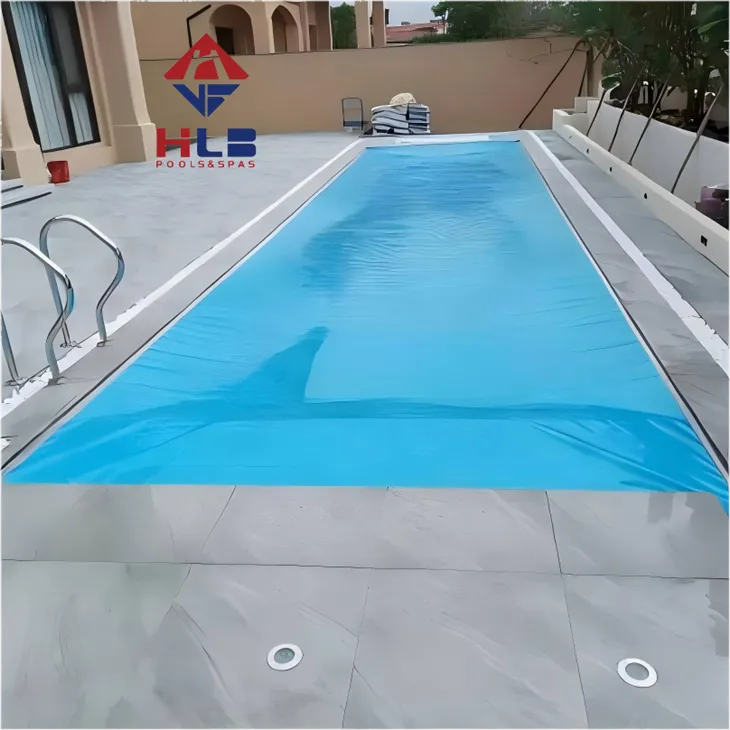
Investing in good pool equipment can also help reduce the risks associated with pool chemicals. For example, a Swimming Pool Cover Automatic can help keep debris out of the pool, reducing the amount of organic matter that reacts with chlorine to form DBPs. A cover also helps to retain heat and chemicals, so you don't have to use as much in the long run.
A Pool Corner Brush is another useful tool. Regularly brushing the pool walls and floor helps to remove dirt and algae, which can reduce the need for excessive chemical use.

Conclusion and Call to Action
So, there you have it – the potential health risks of pool chemicals and how to manage them. As a pool chemical supplier, I'm committed to providing you with high - quality products and the information you need to use them safely.
If you're looking for reliable pool chemicals or have any questions about pool maintenance, don't hesitate to reach out for a procurement discussion. We're here to help you keep your pool clean, safe, and enjoyable for everyone.
References
- "Health Effects of Swimming Pool Chemicals." Centers for Disease Control and Prevention.
- "Disinfection By - Products in Drinking Water and Risk of Bladder Cancer: A Meta - analysis." Environmental Health Perspectives.
- "Respiratory Health Effects of Exposure to Bromine in Indoor Pools." International Journal of Hygiene and Environmental Health.