Are there any safety precautions when using liquid test kits?
Leave a message

As a supplier of liquid test kits, I understand that safety is of paramount importance when it comes to using these products. Liquid test kits are widely used in various industries, including water treatment, food and beverage, and environmental monitoring, to accurately measure the concentration of specific substances in liquids. However, improper use of these kits can pose risks to both the user and the environment. In this blog post, I will discuss some essential safety precautions that should be taken when using liquid test kits.
Understanding the Test Kit
Before using any liquid test kit, it is crucial to thoroughly read and understand the instruction manual provided by the manufacturer. The manual contains important information about the test procedure, safety precautions, and limitations of the kit. Pay close attention to any warnings or precautions regarding the handling of reagents, sample collection, and disposal of waste materials.
Personal Protective Equipment (PPE)
Wearing appropriate personal protective equipment is essential to minimize the risk of exposure to hazardous chemicals. When using liquid test kits, always wear gloves, safety goggles, and a lab coat or apron. Gloves should be made of a chemical-resistant material, such as nitrile or latex, to protect your hands from contact with reagents. Safety goggles will shield your eyes from splashes or fumes, while a lab coat or apron will protect your clothing and skin.
Handling Reagents
Reagents used in liquid test kits can be hazardous if not handled properly. Always follow the manufacturer's instructions for storing, handling, and disposing of reagents. Keep reagents in their original containers, tightly sealed, and stored in a cool, dry place away from direct sunlight and heat sources. Avoid mixing reagents unless specifically instructed to do so, as this can result in dangerous chemical reactions.
When handling reagents, use a pipette or dropper to transfer them to the test tubes or containers. Avoid touching the tip of the pipette or dropper to the sample or any other surface to prevent contamination. If a reagent spills, immediately clean it up using appropriate absorbent materials and dispose of them according to local regulations.
Sample Collection
Proper sample collection is crucial to ensure accurate test results. Follow the instructions provided in the test kit manual for collecting the sample. Use clean, dry containers to collect the sample, and avoid touching the inside of the container with your hands or any other object. If the sample needs to be filtered or diluted, follow the recommended procedures carefully.
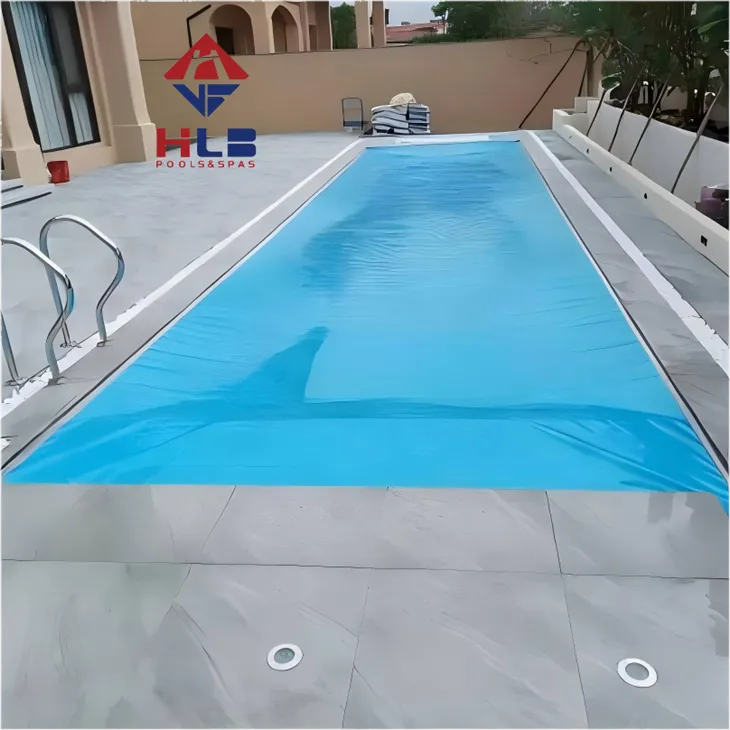
When collecting samples from a swimming pool, for example, use a clean bucket or container to collect the water from a depth of about 12 to 18 inches below the surface. Avoid collecting water from near the skimmer, return jets, or any other areas where the water may be disturbed. For more information on swimming pool products, you can visit Starting Block Swimming Pool.

Performing the Test
When performing the test, follow the instructions provided in the test kit manual step by step. Use the correct amount of reagents and sample, and mix them thoroughly according to the recommended procedure. Avoid shaking or stirring the test tubes too vigorously, as this can cause the reagents to splash or spill.
If the test requires heating or incubating the sample, use a suitable heating device or incubator and follow the recommended temperature and time settings. Never leave the heating device or incubator unattended, and use appropriate safety equipment, such as heat-resistant gloves, to handle the hot test tubes or containers.
Interpreting the Results
After performing the test, carefully read the instructions provided in the test kit manual to interpret the results. Compare the color or other indicators of the test sample with the color chart or reference standards provided in the kit. If the results are unclear or do not match the expected values, repeat the test using a new sample and reagents.
If you are unsure about the interpretation of the results or have any questions, contact the manufacturer of the test kit or a qualified professional for assistance. Do not rely solely on the test results to make decisions about the safety or quality of the liquid being tested.
Disposal of Waste Materials
Proper disposal of waste materials is essential to protect the environment and prevent contamination. Follow the manufacturer's instructions for disposing of used test tubes, pipettes, droppers, and other disposable materials. Dispose of these materials in a designated waste container, and do not recycle them.
Reagents and other hazardous waste materials should be disposed of according to local regulations. Contact your local environmental agency or waste management company for guidance on the proper disposal of hazardous waste. Do not pour reagents or other hazardous materials down the drain or into the environment.
Storage of Test Kits
When not in use, store the liquid test kits in a cool, dry place away from direct sunlight and heat sources. Keep the test kits in their original packaging or a suitable storage container to protect them from damage. Check the expiration date of the test kits regularly, and discard any expired kits according to the recommended procedures.
Training and Education
Proper training and education are essential for ensuring the safe and effective use of liquid test kits. Provide training to your employees or customers on the proper use of the test kits, including safety precautions, sample collection, test procedures, and result interpretation. Encourage them to ask questions and seek assistance if they are unsure about any aspect of using the test kits.
You can also provide educational resources, such as brochures, videos, or online tutorials, to help your employees or customers learn more about the test kits and their applications. By investing in training and education, you can improve the safety and accuracy of your testing procedures and reduce the risk of errors or accidents.
Conclusion
Using liquid test kits safely is essential to protect the health and safety of the users and the environment. By following the safety precautions outlined in this blog post, you can minimize the risk of exposure to hazardous chemicals and ensure accurate test results. Remember to always read and understand the instruction manual provided by the manufacturer, wear appropriate personal protective equipment, handle reagents carefully, collect samples properly, perform the test according to the recommended procedures, interpret the results accurately, dispose of waste materials properly, store the test kits correctly, and provide training and education to your employees or customers.
If you are interested in purchasing high-quality liquid test kits or have any questions about our products, please feel free to contact us. We are a leading supplier of liquid test kits, and we are committed to providing our customers with the best products and services. For more information on swimming pool cover automatic, you can visit Swimming Pool Cover Automatic. And if you need lifeguard chairs for your swimming pool, you can check out Full Plastic PE Lifeguard Chair.
References
- Manufacturer's instruction manuals for liquid test kits.
- Occupational Safety and Health Administration (OSHA) guidelines for handling hazardous chemicals.
- Environmental Protection Agency (EPA) regulations for the disposal of hazardous waste.