Are water test chemicals easy to use?
Leave a message

Water quality is a crucial aspect that affects the safety and enjoyment of various water - related facilities, such as swimming pools, aquariums, and industrial water systems. As a supplier of water test chemicals, I am often asked whether these chemicals are easy to use. In this blog post, I will explore this question in depth and provide insights based on practical experience in the industry.
Understanding Water Test Chemicals
Water test chemicals are substances used to analyze the chemical composition of water. They help in determining various parameters such as pH levels, chlorine content, alkalinity, hardness, and the presence of other contaminants. These tests are essential because the balance of these parameters can significantly impact the health of swimmers, the longevity of pool equipment, and the overall water quality.
There are different types of water test chemicals available in the market, each designed for specific tests. For example, test kits may come in the form of liquid reagents, test strips, or tablets. Liquid reagents are often more accurate and allow for a more detailed analysis, while test strips are convenient and quick, providing instant results. Tablets are also a popular option as they are easy to carry and use, especially for on - the - go testing.
Ease of Use Factors
1. Preparation
One of the key factors in determining the ease of use of water test chemicals is the preparation required. Most water test kits come with clear instructions on how to use them. For test strips, the process is straightforward. You simply dip the strip into the water sample for a few seconds, then compare the color change on the strip to the color chart provided in the kit. This process takes very little time and does not require any special equipment.
Liquid reagents, on the other hand, may require a bit more preparation. You usually need to collect a water sample in a test tube or a beaker, add a specific number of drops of the reagent, and then wait for the reaction to occur. However, the instructions are typically very clear, and with a little practice, anyone can master the process.
Tablets are also fairly easy to use. You just drop the tablet into the water sample, swirl it around to dissolve the tablet, and then observe any color changes. The preparation for using tablets is similar to that of liquid reagents, but they are often more user - friendly for those who are not comfortable handling liquids.
2. Accuracy and Interpretation
Another important aspect is the accuracy of the test results and the ease of interpreting them. Most modern water test kits are designed to provide fairly accurate results. Test strips, for example, have color - coded indicators that make it easy to determine the approximate concentration of the tested parameter. However, they may not be as precise as liquid reagents.
Liquid reagents usually provide more accurate results because they allow for a more controlled reaction. The color changes in the liquid are often more distinct, and the kits come with detailed instructions on how to measure the exact concentration based on the color intensity. But this also means that a bit more knowledge is required to interpret the results accurately.
Tablets generally fall in between test strips and liquid reagents in terms of accuracy. They are more accurate than test strips but may not be as precise as liquid reagents. The interpretation of tablet test results is similar to that of other methods, relying on color comparison.
3. Storage and Handling
The ease of storage and handling of water test chemicals also plays a significant role in their overall usability. Test strips are very convenient in this regard. They are small, lightweight, and can be easily stored in a cool, dry place. They do not require any special storage conditions and can be carried around in a pocket or a small bag.
Liquid reagents need to be stored properly to maintain their effectiveness. They should be kept in a cool place away from direct sunlight and heat. Some liquid reagents may also have a limited shelf life, so it is important to check the expiration date regularly. However, most suppliers provide clear instructions on how to store and handle these reagents to ensure their longevity.
Tablets are also relatively easy to store. They are less prone to leakage compared to liquid reagents and can be stored at room temperature in a dry container. Like other test chemicals, they also have an expiration date, so it is essential to keep track of it.
Real - World Applications and User Experiences
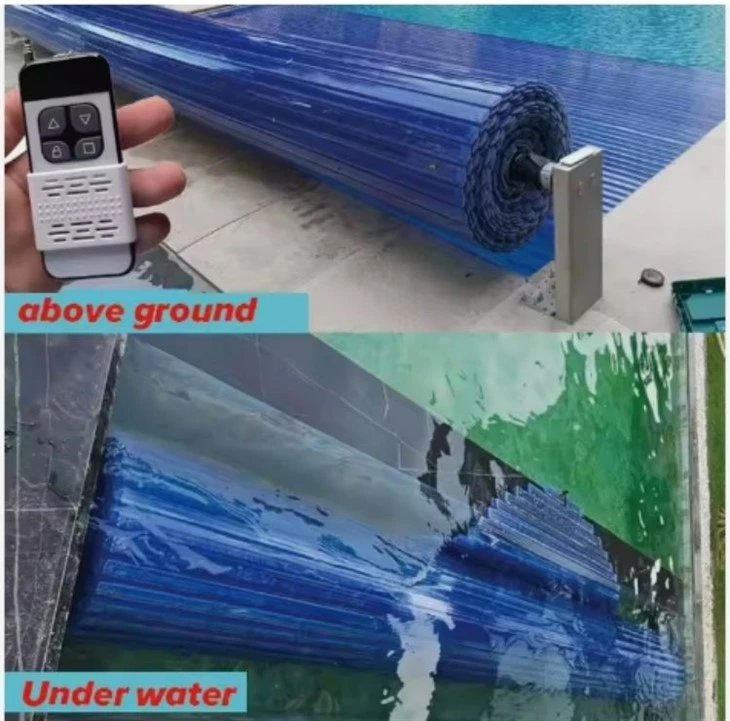
In the real world, water test chemicals are used by a wide range of people, from pool owners and maintenance staff to aquarium enthusiasts and industrial water treatment professionals. Pool owners often prefer test strips because of their simplicity and convenience. They can quickly test the water in their Swimming Pool Cover Automatic equipped pools and make necessary adjustments to the water chemistry.
Maintenance staff, on the other hand, may use liquid reagents for more accurate and detailed testing. They are responsible for ensuring the safety and quality of the water in large commercial pools, and the accuracy of the test results is crucial. They are also more likely to have the training and experience to handle liquid reagents properly.
Aquarium enthusiasts usually use test kits to monitor the water quality in their tanks. Test strips are a popular choice for them as well because they can easily test the water without disturbing the fish and other aquatic life. Industrial water treatment professionals often rely on more advanced and accurate testing methods, such as liquid reagents and laboratory - based tests, to ensure the proper functioning of their water systems.
Additional Considerations
When considering the ease of use of water test chemicals, it is also important to think about the cost and availability. Test strips are generally the most affordable option and are widely available in stores and online. Liquid reagents may be a bit more expensive, but they offer higher accuracy, which can be worth the investment in some cases.
Another aspect is the environmental impact. Some water test chemicals may contain harmful substances, so it is important to choose products that are environmentally friendly. Many suppliers are now offering eco - friendly water test chemicals that are less harmful to the environment while still providing accurate results.
Conclusion and Call to Action
In conclusion, water test chemicals are generally easy to use, with different types available to suit different needs and preferences. Whether you are a pool owner, an aquarium enthusiast, or an industrial water treatment professional, there is a water test kit that can meet your requirements.
If you are interested in purchasing high - quality water test chemicals, we are here to help. Our company offers a wide range of water test products that are easy to use, accurate, and environmentally friendly. We can provide you with detailed information on the products and assist you in choosing the right one for your specific needs. To start a discussion about your water testing requirements and potential procurement, please feel free to reach out.
References
- "Water Testing for Pools and Spas" by the National Swimming Pool Foundation
- "Aquarium Water Quality Management" by the American Federation of Aquarium Societies
- "Industrial Water Treatment Handbook" by McGraw - Hill Professional