Can a pool filter be damaged by freezing temperatures?
Leave a message

As a seasoned supplier of pool filters, I've encountered numerous inquiries from customers, especially during the colder months, about the impact of freezing temperatures on pool filters. It's a critical concern, as the integrity of pool filters is essential for maintaining a clean and healthy swimming environment. In this blog, we'll delve into the science behind how freezing temperatures can affect pool filters and explore preventive measures to safeguard your investment.
The Science of Freezing and Pool Filters
To understand how freezing temperatures can damage pool filters, it's important to first grasp the basic principles of water and its behavior when it freezes. Water has a unique property: it expands when it freezes. This expansion occurs because the water molecules arrange themselves into a crystalline structure, which takes up more space than the liquid form. When water is trapped inside a pool filter and freezes, this expansion can exert significant pressure on the filter components.
Most pool filters are made up of several key parts, including the filter housing, filter cartridges or media, and various plumbing connections. The filter housing is typically made of plastic or fiberglass, which, while durable, can crack under the extreme pressure caused by freezing water. Cartridges and media, often made of materials like paper or synthetic fibers, can also be damaged. The expansion of water can distort the delicate structure of the filter media, reducing its effectiveness in trapping debris and contaminants.
Types of Damage Caused by Freezing
Cracks in the Filter Housing
One of the most common types of damage is cracking in the filter housing. A crack in the housing can lead to leaks, which not only waste water but also allow unfiltered water to re - enter the pool. This defeats the purpose of having a filter and can lead to poor water quality. Small cracks may be difficult to detect initially, but over time, they can grow larger, causing more significant problems.
Damage to Filter Cartridges
Filter cartridges are designed to provide a large surface area for water to pass through, trapping dirt and debris. When water freezes inside the cartridge, it can cause the pleats to become misshapen or even break. This reduces the effective filtration area, meaning the filter will have to work harder to clean the same amount of water. As a result, the cartridge may need to be replaced more frequently, increasing maintenance costs.
Plumbing and Connection Issues
Freezing temperatures can also affect the plumbing connections associated with the pool filter. Pipes can burst, and fittings can loosen or break. This can lead to water loss and potentially damage other components of the pool system, such as the pump. In addition, a broken connection can disrupt the flow of water through the filter, reducing its efficiency.
Factors Affecting the Susceptibility of Pool Filters to Freezing
Location of the Pool
The geographical location of the pool plays a significant role in the risk of freezing. Pools in regions with cold winters are obviously at a higher risk. However, even in areas where freezing temperatures are less common, sudden cold snaps can catch pool owners off guard. For example, a pool in a mild climate that experiences an unexpected frost can still be vulnerable.
Pool Usage and Maintenance
The frequency of pool usage and the level of maintenance can also impact the risk of filter damage. A pool that is used year - round and properly maintained is less likely to have water sitting stagnant in the filter, which reduces the risk of freezing. On the other hand, a pool that is closed for the winter without proper winterization is at a much higher risk.
Type of Pool Filter
Different types of pool filters may have varying levels of susceptibility to freezing. For instance, sand filters, which have a more robust structure, may be less likely to crack compared to cartridge filters. However, the plumbing and other components associated with sand filters can still be damaged by freezing.
Preventive Measures
Winterization
Proper winterization is crucial for protecting pool filters from freezing temperatures. This involves draining the filter and all associated plumbing lines. Before draining, it's important to turn off the pool pump and other equipment. Once the water is drained, it's a good idea to add a non - toxic antifreeze to the plumbing lines to prevent any remaining water from freezing.
Insulation
Insulating the filter housing and plumbing can also provide an extra layer of protection. There are various insulation materials available on the market, such as foam sleeves, that can be wrapped around the filter and pipes. This helps to maintain a more stable temperature and reduces the risk of freezing.
Monitoring
During the winter months, it's important to monitor the pool and its equipment regularly. Check for any signs of freezing, such as ice on the filter housing or pipes. If you notice any issues, take immediate action to prevent further damage.
Our Pool Filter Solutions
As a leading supplier of pool filters, we offer a wide range of products designed to meet the needs of different pool types and climates. Our filters are made from high - quality materials that are more resistant to damage, including the effects of freezing temperatures. We also provide expert advice on winterization and maintenance to help our customers protect their investments.
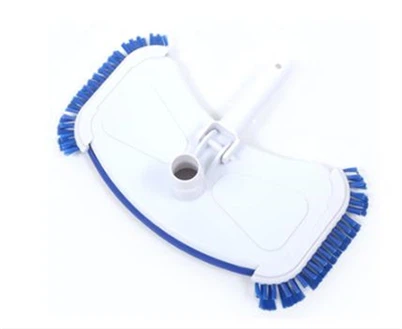
In addition to our pool filters, we also offer a variety of related products. For those looking to keep their above - ground pools clean, we recommend our Above Ground Pool Automatic Cleaners. These cleaners are designed to efficiently remove debris from the pool, reducing the workload on the filter. If you want to enjoy your pool even in colder weather, our Above Ground Pool Heater can help maintain a comfortable water temperature. And for hot tub owners, our Hot Tub Pp Pleated Spa Filter Cartridges are essential for keeping the water clean and clear.
Conclusion
In conclusion, freezing temperatures can indeed damage pool filters, but with proper preventive measures, the risk can be significantly reduced. As a pool filter supplier, we are committed to providing our customers with high - quality products and the knowledge they need to protect their pool equipment. Whether you're a new pool owner or a seasoned pro, understanding the impact of freezing on pool filters is essential for maintaining a clean and healthy pool.

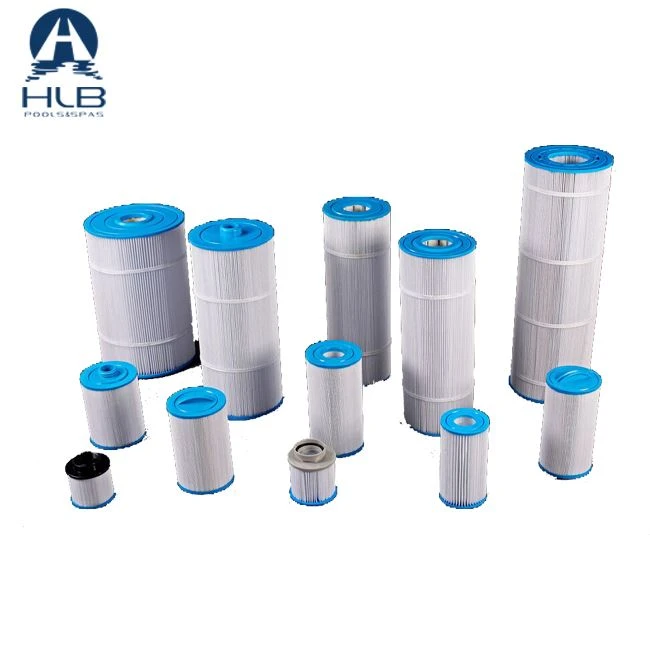
If you're interested in learning more about our pool filter products or need advice on protecting your pool filter from freezing temperatures, we encourage you to reach out to us. Our team of experts is ready to assist you with all your pool filter needs. We look forward to discussing your requirements and finding the best solutions for your pool.
References
- "Pool and Spa Maintenance Handbook" by John A. Weisner
- "The Complete Guide to Pool Care" by Mark W. Smith