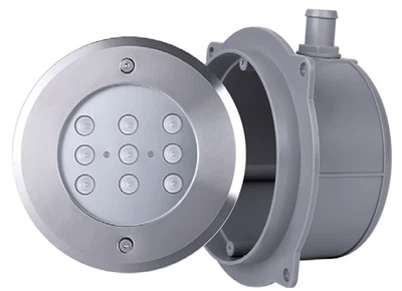
Can pool lights be used in saltwater pools?
Leave a message

As a seasoned supplier of pool lights, I often encounter questions from pool owners, especially those with saltwater pools, about the compatibility of pool lights with their specific pool type. Saltwater pools have gained popularity in recent years due to their perceived benefits, such as a more natural swimming experience and potentially lower maintenance costs compared to traditional chlorine pools. However, the unique chemical composition of saltwater raises concerns about the durability and performance of pool lights. In this blog post, I will delve into the topic and provide you with all the information you need to determine whether pool lights can be used in saltwater pools.
Understanding Saltwater Pools
Before we discuss the compatibility of pool lights with saltwater pools, it's essential to understand how saltwater pools work. Unlike traditional chlorine pools, which rely on adding chlorine chemicals directly to the water, saltwater pools use a salt chlorinator to convert salt into chlorine. The salt chlorinator consists of a cell that contains electrodes. When an electric current is passed through the saltwater, the salt (sodium chloride) is broken down into sodium and chlorine ions. The chlorine ions then combine with water to form hypochlorous acid, which is the active sanitizing agent in the pool.
The advantage of a saltwater pool is that it provides a continuous supply of chlorine, eliminating the need for frequent manual addition of chlorine chemicals. Additionally, many people find that the water in a saltwater pool feels softer and more comfortable on the skin and eyes compared to a traditional chlorine pool. However, the presence of salt in the water also means that there are potential challenges when it comes to using certain pool equipment, including pool lights.
The Impact of Saltwater on Pool Lights
Saltwater is a corrosive substance, and over time, it can cause damage to various components of pool lights. The main areas of concern are the light fixture, the wiring, and the lens.
Light Fixture
The light fixture is the housing that contains the light bulb or LED module. Most pool light fixtures are made of materials such as plastic, fiberglass, or stainless steel. While these materials are generally resistant to corrosion, prolonged exposure to saltwater can still cause them to deteriorate. Plastic fixtures may become brittle and crack, while fiberglass fixtures may develop surface pitting. Stainless steel fixtures are more resistant to corrosion, but they can still be affected by the high salt content in the water, especially if the grade of stainless steel is not suitable for marine environments.
Wiring
The wiring that connects the pool light to the power source is another area that can be vulnerable to saltwater corrosion. The saltwater can penetrate the insulation of the wiring, causing it to degrade and potentially leading to electrical shorts or other safety hazards. In addition, the connections between the wiring and the light fixture can also corrode, which can affect the performance of the light.
Lens
The lens of the pool light is responsible for protecting the light bulb or LED module and allowing the light to shine through. It is typically made of glass or plastic. Saltwater can cause the lens to become cloudy or develop a film, which can reduce the amount of light output. In severe cases, the lens may even crack or break due to the corrosive effects of the saltwater.
Choosing the Right Pool Lights for Saltwater Pools
Despite the potential challenges, it is possible to use pool lights in saltwater pools as long as you choose the right type of lights. Here are some factors to consider when selecting pool lights for a saltwater pool:
Material
As mentioned earlier, the material of the light fixture is crucial. Look for pool lights with fixtures made of high-quality stainless steel or other corrosion-resistant materials. Marine-grade stainless steel, such as 316L, is particularly suitable for saltwater environments. In addition, make sure that the wiring is properly insulated and protected to prevent saltwater from reaching the electrical components.
Sealing
A good seal is essential to prevent saltwater from entering the light fixture and damaging the internal components. Look for pool lights that have a tight seal between the fixture and the lens, as well as between the fixture and the pool wall. Some pool lights come with gaskets or O-rings to ensure a watertight seal.
Maintenance
Regular maintenance is key to ensuring the longevity of pool lights in a saltwater pool. This includes cleaning the lights regularly to remove any salt deposits or debris that may have accumulated on the surface. You can use a mild detergent and a soft cloth to clean the lights. In addition, it's important to inspect the lights periodically for any signs of damage or corrosion and to replace any worn or damaged components as needed.
Other Considerations for Saltwater Pool Lights
In addition to choosing the right pool lights and performing regular maintenance, there are a few other things to keep in mind when using pool lights in a saltwater pool:
Water Chemistry
Maintaining proper water chemistry is crucial for the health and safety of the pool as well as the longevity of the pool lights. Make sure to test the water regularly using a Liquid Test Kits to ensure that the pH, alkalinity, and salt levels are within the recommended range. Imbalanced water chemistry can accelerate the corrosion of the pool lights and other pool equipment.

Installation
Proper installation is essential to ensure the safety and performance of the pool lights. Make sure that the lights are installed according to the manufacturer's instructions and that all electrical connections are properly made. If you're not comfortable installing the lights yourself, it's recommended to hire a professional electrician or pool installer.
Pool Cover
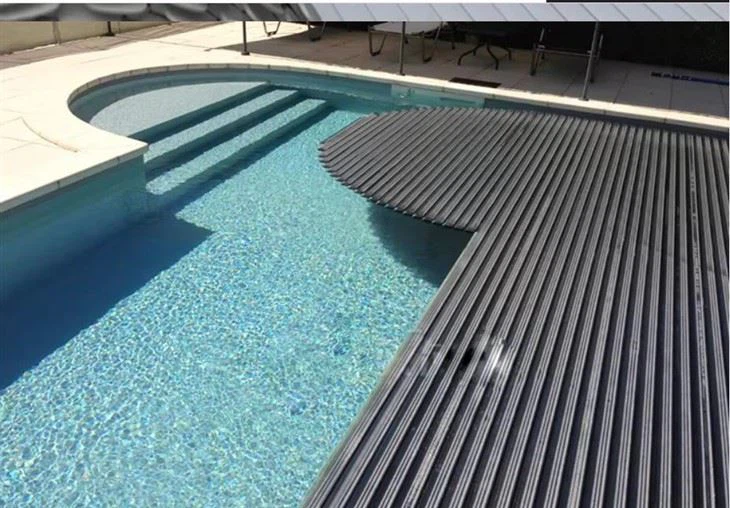
Using a PC Slates Cover For Pool can help protect the pool lights from the elements and reduce the amount of saltwater exposure. A pool cover can also help keep the pool clean and reduce the need for frequent chemical treatments.
Conclusion
In conclusion, pool lights can be used in saltwater pools, but it's important to choose the right type of lights and take proper care of them to ensure their longevity and performance. By selecting pool lights made of corrosion-resistant materials, maintaining proper water chemistry, and performing regular maintenance, you can enjoy the benefits of illuminated pool nights in your saltwater pool for years to come.
If you're in the market for pool lights for your saltwater pool, I invite you to contact me to discuss your options. As a leading supplier of pool lights, I have a wide range of products to choose from, and I can help you find the perfect lights for your pool. Whether you're looking for energy-efficient LED lights or traditional incandescent lights, I can provide you with high-quality products at competitive prices. Let's work together to create a beautiful and inviting pool environment for you and your family to enjoy.
References
- "Saltwater Pool Maintenance Guide." Pool & Spa News.
- "Choosing the Right Pool Lights for Your Pool." Pool and Spa Marketing.
- "The Effects of Saltwater on Pool Equipment." The Spruce.