Do pool liners prevent algae growth?
Leave a message

Do pool liners prevent algae growth? This is a question that many pool owners often ask, and as a pool liners supplier, I'm here to provide you with a comprehensive answer.
Understanding Algae Growth in Pools
Algae are simple, plant - like organisms that thrive in water environments, especially those with the right conditions. There are several types of algae that can invade swimming pools, including green algae, black algae, and yellow or mustard algae. Green algae are the most common and are usually visible as a green tint in the water or as slimy patches on pool surfaces. Black algae are more stubborn, attaching firmly to pool walls and floors. Yellow or mustard algae are often found in shaded areas of the pool and can be more difficult to detect.
The growth of algae in a pool is primarily driven by three factors: sunlight, nutrients, and warm temperatures. Sunlight provides the energy for photosynthesis, which is how algae grow. Nutrients such as phosphates, nitrates, and organic matter from leaves, dirt, and swimmers' bodies act as food for algae. Warm temperatures, typically between 75 - 85°F (24 - 29°C), create an ideal environment for algae to multiply rapidly.


How Pool Liners Work
Pool liners are essentially large sheets of material that line the interior of a pool. They come in various materials, including vinyl, fiberglass, and concrete. Each material has its own unique properties and benefits.
Vinyl liners are the most popular choice for residential pools. They are relatively inexpensive, easy to install, and come in a wide range of colors and patterns. Vinyl liners create a smooth surface that is comfortable to swim on and can help prevent scratches and abrasions. Fiberglass liners are more durable and resistant to chemicals and UV rays. They are pre - molded and can be installed quickly. Concrete liners, on the other hand, are the most permanent and can be customized to any shape or size.
Can Pool Liners Prevent Algae Growth?
While pool liners themselves do not directly prevent algae growth, they can play an important role in reducing the likelihood of an algae infestation.
Smooth Surface
One of the key ways pool liners can help is by providing a smooth surface. Algae tend to attach to rough surfaces where they can find a foothold. A smooth pool liner, especially a vinyl one, makes it more difficult for algae to adhere. This means that it is easier to clean the pool and remove any potential algae before it has a chance to grow and spread.
Reducing Nutrient Traps
Pool liners can also help reduce the number of nutrient traps in a pool. Rough surfaces in a pool can trap dirt, leaves, and other organic matter, which provide nutrients for algae. A smooth liner allows these debris to be easily swept or vacuumed up, reducing the available food source for algae.
Chemical Compatibility
Some pool liners are designed to be more chemically resistant. For example, fiberglass liners can withstand higher levels of chlorine and other pool chemicals. Maintaining proper chemical balance in a pool is crucial for preventing algae growth. A liner that can tolerate the chemicals needed to keep the pool clean and algae - free is an advantage.
Complementary Pool Products for Algae Prevention
While pool liners can be helpful, they are not a standalone solution for preventing algae growth. There are several other pool products that can work in conjunction with pool liners to keep your pool algae - free.
Saltwater Chlorine Generator
A Saltwater Chlorine Generator is a popular choice for pool owners. It uses salt to generate chlorine, which is a powerful disinfectant that can kill algae and other harmful organisms. This system provides a continuous supply of chlorine, helping to maintain the proper chemical balance in the pool.
Plastic Pool Racing Lane Lines
Plastic Pool Racing Lane Lines not only serve a functional purpose in the pool but can also help with circulation. Proper water circulation is important for preventing algae growth. By creating a more even flow of water, lane lines can help distribute chemicals more effectively and prevent stagnant areas where algae can thrive.
Above Ground Pool Ozone Generator
An Above Ground Pool Ozone Generator is another effective tool for algae prevention. Ozone is a powerful oxidizer that can break down organic matter and kill algae. It can be used in conjunction with chlorine to provide an extra layer of protection against algae growth.
Maintenance Tips for Algae Prevention
In addition to using pool liners and complementary products, proper pool maintenance is essential for preventing algae growth.
Regular Cleaning
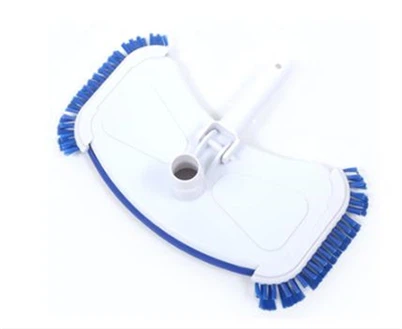
Regularly cleaning the pool is crucial. This includes skimming the surface to remove leaves and debris, brushing the walls and floor to prevent algae from attaching, and vacuuming the pool to remove any dirt or sediment.
Chemical Balance
Maintaining the proper chemical balance in the pool is key. This means regularly testing the water for pH, chlorine, alkalinity, and other chemicals. Adjusting these levels as needed will help keep the water clean and prevent algae growth.
Water Circulation
Ensuring proper water circulation is also important. Running the pool pump for an adequate amount of time each day will help distribute chemicals evenly and prevent stagnant areas where algae can grow.
Conclusion
In conclusion, while pool liners do not directly prevent algae growth, they can significantly reduce the risk of an algae infestation. Their smooth surface, ability to reduce nutrient traps, and chemical compatibility make them an important part of an overall algae prevention strategy. When combined with other pool products such as Saltwater Chlorine Generator, Plastic Pool Racing Lane Lines, and Above Ground Pool Ozone Generator, along with proper maintenance, pool liners can help you keep your pool clean, clear, and algae - free.
If you're interested in learning more about our pool liners or other pool products, or if you're looking to start a procurement discussion, feel free to reach out. We're here to help you make the best choices for your pool.
References
- "The Pool & Spa Handbook" by Harvey L. Roth
- "Swimming Pool Engineering" by John W. Jensen - Walker
- Various industry research papers on pool maintenance and algae prevention