Do recessed pool lights need to be inspected regularly?
Leave a message

Hey there, pool enthusiasts! As a supplier of recessed pool lights, I've seen firsthand the magic these lights can bring to a swimming pool. They transform an ordinary pool into a stunning oasis, whether it's for a relaxing evening swim or a lively pool party. But one question that often comes up is, "Do recessed pool lights need to be inspected regularly?" Let's dive into this topic and find out.
Why Regular Inspections Matter
First off, safety is the number one reason for regular inspections. Recessed pool lights are installed underwater, which means they're constantly exposed to moisture. Over time, this can lead to electrical issues, such as short circuits or leaks. These problems not only pose a risk to swimmers but can also cause damage to the pool equipment.
For example, if there's a small crack in the light fixture, water can seep in and damage the electrical components. This could potentially lead to an electric shock, which is extremely dangerous. By inspecting the lights regularly, you can catch these issues early and prevent any accidents from happening.
Another reason for regular inspections is to ensure the lights are functioning properly. Just like any other electrical device, pool lights can wear out over time. The bulbs may burn out, or the wiring may become loose. If the lights aren't working correctly, it can affect the overall ambiance of the pool. You won't be able to enjoy that beautiful, illuminated pool at night, and it can also make it difficult to see in the pool, which is a safety concern.
How Often Should You Inspect Recessed Pool Lights?
The frequency of inspections depends on several factors, such as the age of the lights, the type of pool, and the environment. As a general rule, it's a good idea to inspect your recessed pool lights at least once a year. However, if you have an older pool or live in an area with harsh weather conditions, you may want to inspect them more frequently.
During the inspection, you should check for any visible signs of damage, such as cracks, leaks, or loose connections. You should also test the lights to make sure they're working properly. If you notice any issues, it's important to address them as soon as possible.
What to Look for During an Inspection
When inspecting your recessed pool lights, there are several things you should look for. Here are some of the key areas to check:
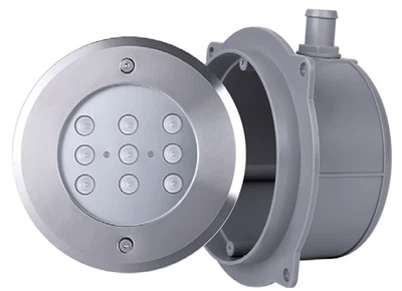
- Light Fixtures: Inspect the light fixtures for any cracks or damage. Make sure they're securely installed and there are no loose connections. If you notice any cracks, it's important to replace the fixture as soon as possible to prevent water from getting in.
- Bulbs: Check the bulbs to make sure they're working properly. If a bulb is burned out, replace it with a new one. Make sure to use the correct type of bulb for your pool lights.
- Wiring: Inspect the wiring for any signs of damage, such as fraying or corrosion. If you notice any issues with the wiring, it's important to have it repaired or replaced by a professional electrician.
- Gaskets and Seals: Check the gaskets and seals around the light fixtures to make sure they're in good condition. These gaskets and seals help prevent water from getting into the light fixtures. If they're damaged or worn out, they should be replaced.
The Benefits of Regular Inspections
Regular inspections of your recessed pool lights offer several benefits. Here are some of the key advantages:


- Safety: By inspecting the lights regularly, you can identify and address any safety issues before they become a problem. This helps ensure the safety of everyone who uses the pool.
- Longevity: Regular inspections can help extend the lifespan of your pool lights. By catching and fixing any issues early, you can prevent further damage and keep the lights working properly for longer.
- Energy Efficiency: If your pool lights aren't working properly, they may be using more energy than necessary. By inspecting the lights regularly and replacing any faulty bulbs or components, you can improve their energy efficiency and save money on your energy bills.
- Aesthetics: Recessed pool lights add a beautiful, illuminated effect to your pool. By keeping the lights in good condition, you can ensure they continue to enhance the overall look and feel of your pool.
Related Pool Products
In addition to recessed pool lights, there are several other products that can enhance your pool experience. Here are some of the related products we offer:
- Top Mount Stainless Steel Sand Filter: This high-quality sand filter helps keep your pool water clean and clear. It's easy to install and maintain, making it a great choice for any pool owner.
- 12V Submersible Spot Light: These spot lights are perfect for adding a touch of drama to your pool. They're energy-efficient and come in a variety of colors, allowing you to create a customized lighting effect.
- Pool Vacuum Hose Reel: This convenient hose reel makes it easy to store and organize your pool vacuum hose. It helps prevent the hose from getting tangled and damaged, making pool cleaning a breeze.
Contact Us for More Information
If you're interested in learning more about recessed pool lights or any of our other pool products, please don't hesitate to contact us. We're here to help you find the perfect products for your pool and ensure you have a safe and enjoyable swimming experience. Whether you have questions about installation, maintenance, or product specifications, our team of experts is ready to assist you.
References
- Pool & Spa News. (2023). Importance of Regular Pool Light Inspections.
- National Swimming Pool Foundation. (2022). Pool Safety Guidelines.