Do underwater spot lights cause algae growth in the pool?
Leave a message

Underwater spot lights are a popular addition to swimming pools, offering both aesthetic appeal and enhanced visibility during nighttime swims. However, a common concern among pool owners is whether these lights contribute to algae growth in the pool. As a leading supplier of underwater spot lights, I'm here to delve into this topic and provide you with a comprehensive understanding of the relationship between underwater spot lights and algae growth.
Understanding Algae Growth in Pools
Algae are microscopic organisms that thrive in water environments, including swimming pools. They require three essential elements to grow: sunlight, nutrients, and a suitable temperature. Sunlight provides the energy for photosynthesis, while nutrients such as nitrogen and phosphorus act as fertilizers. The ideal temperature range for algae growth is typically between 77°F and 86°F (25°C and 30°C).
In a swimming pool, algae can enter through various sources, including wind, rain, and contaminated swimsuits or pool equipment. Once they find a suitable environment, they can quickly multiply and form visible colonies, turning the pool water green, cloudy, or even black.
The Role of Underwater Spot Lights
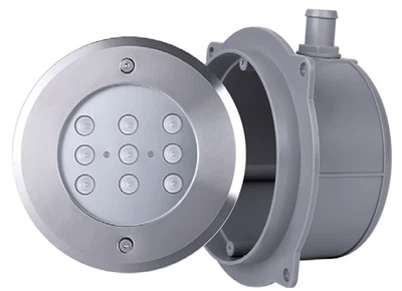
Underwater spot lights are designed to illuminate the pool, creating a beautiful and inviting atmosphere. They are typically installed at the bottom or sides of the pool and emit a focused beam of light. While these lights do emit some heat and light, the question remains: do they contribute to algae growth?
Light and Algae Growth
Algae require sunlight for photosynthesis, which is the process by which they convert light energy into chemical energy. However, the light emitted by underwater spot lights is typically in the visible spectrum, which is not as effective for photosynthesis as the ultraviolet (UV) light found in sunlight. Additionally, the intensity of the light from underwater spot lights is much lower than that of sunlight, making it less likely to support significant algae growth.
Heat and Algae Growth
Underwater spot lights do generate some heat, but the amount is generally minimal. The heat output of most underwater spot lights is not sufficient to raise the water temperature significantly, especially in larger pools. Algae growth is more likely to occur in warm water, but the heat from underwater spot lights is unlikely to create an environment that is conducive to rapid algae growth.


Nutrients and Algae Growth
As mentioned earlier, algae require nutrients to grow. Underwater spot lights do not directly contribute to the presence of nutrients in the pool water. However, if the pool is not properly maintained, nutrients such as leaves, dirt, and body oils can accumulate in the water, providing a food source for algae. Regular pool cleaning and proper chemical balance are essential to prevent nutrient buildup and algae growth.
Factors That Can Contribute to Algae Growth
While underwater spot lights are unlikely to be the primary cause of algae growth in a pool, there are several other factors that can contribute to this problem. These include:
- Poor Water Circulation: Inadequate water circulation can lead to stagnant areas in the pool, where algae can thrive. It is important to ensure that the pool's filtration system is working properly and that the water is being circulated effectively.
- Improper Chemical Balance: Maintaining the proper chemical balance in the pool is crucial for preventing algae growth. The pH level, chlorine level, and alkalinity of the water should be regularly tested and adjusted as needed.
- Lack of Sunlight Exposure: While sunlight is necessary for algae growth, a pool that is shaded for long periods of time can also be more prone to algae problems. This is because the lack of sunlight can prevent the chlorine from working effectively, allowing algae to multiply.
- Contaminated Pool Equipment: Pool equipment such as Inground Pool Ladder Rails, pool liners, and filters can become contaminated with algae and other microorganisms. It is important to regularly clean and maintain these items to prevent the spread of algae.
Preventing Algae Growth in Pools
To prevent algae growth in your pool, it is important to follow a regular maintenance routine. This includes:
- Regular Cleaning: Skim the pool surface daily to remove leaves, dirt, and other debris. Vacuum the pool regularly to remove sediment and algae from the bottom.
- Proper Chemical Treatment: Use a high-quality pool sanitizer, such as Tri-Chloro Chorine Tablets for Swimming Pool, to kill algae and other microorganisms. Follow the manufacturer's instructions for dosing and application.
- Maintain Proper Water Balance: Test the pool water regularly to ensure that the pH level, chlorine level, and alkalinity are within the recommended range. Adjust the chemicals as needed to maintain a balanced pool environment.
- Brush the Pool Walls and Floor: Use a Pool Liner Brush to scrub the pool walls and floor regularly to remove any algae or dirt that may be adhering to the surface.
- Keep the Pool Covered: When the pool is not in use, cover it with a pool cover to prevent debris from entering the water and to reduce the amount of sunlight exposure.
Conclusion
In conclusion, underwater spot lights are unlikely to be the primary cause of algae growth in a pool. While they do emit some light and heat, the amount is generally minimal and not sufficient to support significant algae growth. However, it is important to remember that proper pool maintenance is essential for preventing algae problems. By following a regular cleaning and chemical treatment routine, you can keep your pool clean, clear, and algae-free.
If you have any further questions about underwater spot lights or pool maintenance, please feel free to [contact us](insert contact information). We are a leading supplier of underwater spot lights and other pool products, and we are committed to providing our customers with the highest quality products and services. We would be happy to discuss your specific needs and help you find the right solution for your pool.
References
- American Chemical Society. (2023). Algae in Pools: What You Need to Know. Retrieved from [insert URL]
- Pool & Spa News. (2023). Understanding Algae Growth in Pools. Retrieved from [insert URL]
- National Swimming Pool Foundation. (2023). Pool Maintenance Guide. Retrieved from [insert URL]