How does the water circulation in a pool filter work?
Leave a message

Understanding how the water circulation in a pool filter works is crucial for maintaining a clean, safe, and enjoyable swimming pool. As a leading Pool Filters supplier, we are committed to providing high - quality products and sharing our expertise on pool maintenance. In this blog, we will delve into the intricate details of pool water circulation and filtration.
The Basics of Pool Water Circulation
Pool water circulation is a continuous process that ensures the even distribution of chemicals, removal of debris, and proper temperature regulation in the pool. At its core, the water in the pool is drawn into the filtration system, where it is cleaned and then returned to the pool.
The circulation process starts with the skimmer, which is located at the water's surface. The skimmer serves as the first line of defense against large debris such as leaves, bugs, and twigs. As the water flows into the skimmer, the debris is trapped in a basket, preventing it from entering the rest of the filtration system.
From the skimmer, the water is then pulled through a main drain, which is usually located at the bottom of the pool. The main drain captures heavier debris that has settled on the pool floor. The combined water from the skimmer and the main drain then enters the suction side of the Pool Filter Pump.
The Role of the Pool Filter Pump
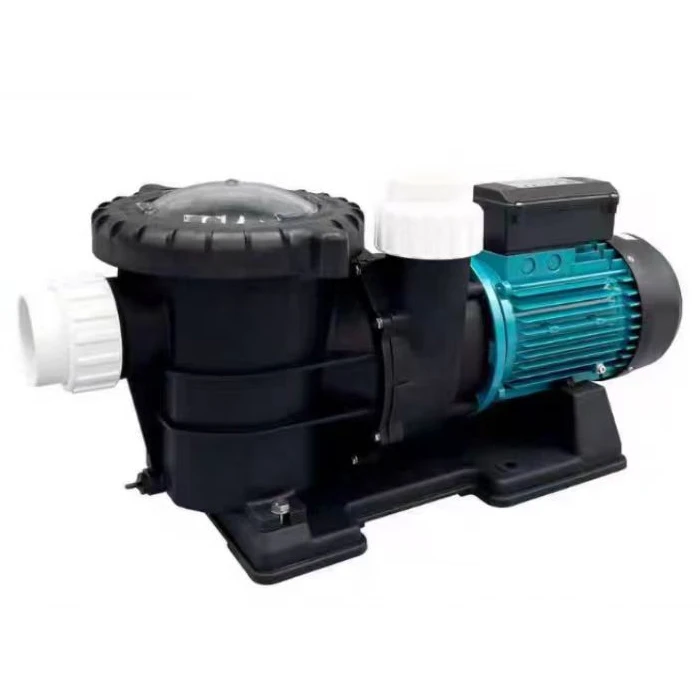
The pool filter pump is the heart of the water circulation system. It creates the necessary suction to draw water from the pool and push it through the filtration system. The pump consists of an electric motor that drives an impeller. The impeller spins at high speed, creating a low - pressure area that sucks water into the pump.
Once the water is inside the pump, the impeller increases the water's pressure and forces it out through the discharge pipe. The pressure generated by the pump is essential for ensuring that the water can flow through the filter media and back into the pool efficiently.
The Filtration Process
After leaving the pump, the pressurized water enters the pool filter. There are three main types of pool filters: sand filters, cartridge filters, and diatomaceous earth (DE) filters. Each type of filter has its own unique filtration mechanism, but the overall goal is the same: to remove impurities from the water.
Sand Filters
Sand filters are one of the most common types of pool filters. They work by passing the water through a bed of fine sand. As the water flows through the sand, small particles and debris are trapped in the spaces between the sand grains. The filtered water then exits the filter and returns to the pool.
Over time, the sand in the filter becomes clogged with debris, which reduces its filtration efficiency. To clean a sand filter, a process called backwashing is performed. During backwashing, the flow of water is reversed, and the dirty water is flushed out of the filter through a waste line, leaving the sand clean and ready to filter more water.
Cartridge Filters
Cartridge filters use a replaceable filter cartridge made of pleated fabric to trap debris. The large surface area of the pleated cartridge allows it to capture a significant amount of dirt and particles. Cartridge filters are known for their high filtration efficiency and low maintenance requirements.
To clean a cartridge filter, the cartridge is removed from the filter housing and washed with a garden hose or a special filter cleaner. In some cases, the cartridge may need to be replaced after a certain number of cleanings.
Diatomaceous Earth (DE) Filters
DE filters are the most efficient type of pool filter. They use a fine powder made from the fossilized remains of diatoms as the filter media. The DE powder coats a series of grids inside the filter, creating a very fine filtration surface.
As the water passes through the DE - coated grids, even the smallest particles are trapped. However, DE filters require more maintenance than sand or cartridge filters. They need to be backwashed regularly to remove the accumulated debris, and fresh DE powder must be added after each backwashing.
Returning the Clean Water to the Pool
Once the water has been filtered, it is returned to the pool through return jets. The return jets are strategically placed around the pool to ensure proper water circulation. The jets create a current that helps to distribute the clean water evenly throughout the pool.
The direction and flow rate of the return jets can be adjusted to optimize water circulation. For example, angling the jets downward can help to prevent debris from settling on the pool floor, while directing the jets horizontally can create a more even flow of water.
Importance of Proper Water Circulation
Proper water circulation is essential for several reasons. Firstly, it helps to keep the water clean by continuously removing debris and contaminants. Without adequate circulation, debris can accumulate in the pool, leading to cloudy water, algae growth, and poor water quality.
Secondly, water circulation ensures the even distribution of chemicals such as chlorine. Chlorine is used to kill bacteria and other harmful microorganisms in the pool. If the water is not circulated properly, the chlorine may not be evenly distributed, leaving some areas of the pool with insufficient disinfection.
Finally, good water circulation helps to regulate the temperature of the pool water. In warmer months, the circulation system can help to dissipate heat, keeping the water at a comfortable temperature. In cooler months, a pool heater can be integrated into the circulation system to warm the water.
Additional Products for Pool Maintenance
In addition to pool filters and pumps, we also offer a range of other products to enhance pool maintenance and enjoyment. For example, our 24 Foot Above Ground Solar Cover Reel is a convenient way to cover and uncover your pool. A solar cover helps to retain heat, reduce evaporation, and keep debris out of the pool.
Another useful product is the 240x90cm Professional Touch Pads For 6/8/10 Lanes Swimming Race Timing System - Swimming Pool Use. These touch pads are ideal for competitive swimmers or those who want to track their swimming performance.
Contact Us for Your Pool Filter Needs
If you are in the market for a high - quality pool filter or any other pool maintenance products, we would love to hear from you. Our team of experts is here to provide you with the best advice and solutions for your pool. Whether you need a new filter, a replacement cartridge, or a complete pool circulation system upgrade, we have the products and knowledge to meet your needs. Contact us today to start a conversation about your pool filter requirements and let us help you keep your pool clean and inviting all season long.

References
- "Pool and Spa Operations Handbook" by the National Swimming Pool Foundation.
- "The Pool Doctor's Guide to Pool Maintenance" by John Doe.