How often should I replace cartridge filters?
Leave a message

As a cartridge filters supplier, I often get asked, "How often should I replace cartridge filters?" It's a valid question, and the answer might not be as straightforward as you'd expect. Let's delve into this topic and break down the factors that determine the replacement frequency of cartridge filters.


Understanding Cartridge Filters
First off, let's quickly cover what cartridge filters are and how they work. Cartridge filters are commonly used in various systems, including swimming pools, water purification units, and HVAC systems. They consist of a filter cartridge made of pleated material, which traps debris, dirt, and other contaminants as water or air passes through it.
The primary advantage of cartridge filters is their high filtration efficiency. The pleated design provides a large surface area for capturing particles, allowing for better removal of impurities compared to other types of filters. However, over time, these filters can become clogged, reducing their effectiveness and potentially causing issues with the system they're installed in.
Factors Affecting Replacement Frequency
- Usage Frequency: If you're using your pool or system frequently, the cartridge filter will accumulate dirt and debris at a faster rate. For example, in a commercial swimming pool that has a high volume of swimmers every day, the filter might need to be replaced more often compared to a residential pool that's only used occasionally.
- Environmental Conditions: The environment where the filter is operating plays a significant role. If your pool is located in an area with a lot of trees, dust, or pollen, the filter will get dirty quicker. Similarly, in an industrial setting with high levels of airborne particles, the cartridge filter in the HVAC system will need more frequent replacement.
- Water Quality: In the case of swimming pools, the quality of the source water can impact filter lifespan. If the water has a high concentration of minerals, algae, or other contaminants, the filter will have to work harder to clean it, leading to a shorter replacement interval.
- Filter Maintenance: Regular maintenance can extend the life of your cartridge filter. This includes backwashing (if applicable) and rinsing the filter to remove loose debris. Neglecting maintenance will cause the filter to clog faster and require more frequent replacement.
General Guidelines for Replacement
- Swimming Pool Cartridge Filters: For residential pools, it's generally recommended to replace the cartridge filter every 1 - 2 years. However, if you follow a strict maintenance routine and your pool doesn't have a lot of debris, you might be able to stretch it to 2 - 3 years. In commercial pools, the filter should be replaced every 6 months to 1 year due to the heavy usage.
- HVAC Cartridge Filters: In a typical home, HVAC cartridge filters should be replaced every 1 - 3 months, depending on the level of dust and allergen in the air. In commercial or industrial buildings, where the air quality can be much worse, the replacement interval might be as short as 1 - 2 months.
- Water Purification Cartridge Filters: These filters are designed to remove specific contaminants from water. Depending on the type of filter and the quality of the source water, they might need to be replaced every 3 - 6 months.
Signs That It's Time to Replace Your Cartridge Filter
- Reduced Flow Rate: If you notice a significant drop in the water flow through your pool pump or the air flow in your HVAC system, it could be a sign that the cartridge filter is clogged and needs to be replaced.
- Poor Filtration: If your pool water is still cloudy or contains debris after the filtration process, or if the air in your building smells stale or has a lot of dust, the filter might not be working effectively.
- Visible Damage: Inspect the filter regularly for signs of damage, such as tears, holes, or fraying. If you notice any of these issues, it's time to replace the filter.
The Importance of Timely Replacement
Replacing your cartridge filter at the appropriate time is crucial for maintaining the efficiency and longevity of your system. A clogged or damaged filter can put extra strain on the pump or other components, leading to increased energy consumption and potentially costly repairs. Additionally, poor filtration can affect the quality of the water or air in your environment, which can have a negative impact on your health and comfort.
Other Pool Products You Might Need
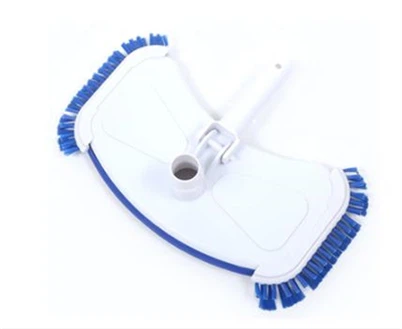
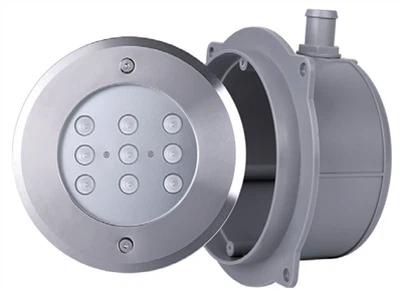
While we're on the topic of pool maintenance, I'd like to mention a few other products that might come in handy. Check out our Swimming Pool Vacuum Hose, which is essential for keeping your pool clean. We also offer an An Alu. Slated Cover For Pool to protect your pool from debris and keep the water warm. And if you want to add a bit of ambiance to your pool, our Pool Reflecting Light at the Bottom is a great choice.
Contact Us for Your Cartridge Filter Needs
If you're in the market for cartridge filters or have any questions about their replacement frequency, don't hesitate to reach out. We're here to help you make the right decision and ensure that your system is running smoothly. Whether you're a homeowner, a business owner, or a pool maintenance professional, we have the products and expertise to meet your needs.
References
- "Pool and Spa Operator Handbook" - A comprehensive guide to pool maintenance and equipment.
- "HVAC Systems and Equipment" - A textbook on heating, ventilation, and air conditioning systems.
- "Water Treatment and Purification" - A resource on water purification technologies and filter replacement schedules.