How to choose the right beam angle for pool lights?
Leave a message

Hey there, pool enthusiasts! As a pool lights supplier, I've seen firsthand how the right beam angle can transform a swimming pool from an ordinary water body into a stunning visual masterpiece. In this blog, I'm gonna walk you through everything you need to know about choosing the right beam angle for your pool lights.
Understanding Beam Angles
First things first, what exactly is a beam angle? Well, it's the angle at which light spreads out from a light source. Think of it like a cone of light. A narrow beam angle means the light is concentrated in a small area, while a wide beam angle spreads the light over a larger area.
Beam angles are usually measured in degrees. For pool lights, you'll commonly see beam angles ranging from as narrow as 10 degrees to as wide as 60 degrees or more. Each beam angle has its own unique characteristics and uses, so it's important to understand how they work before making a decision.
Factors to Consider When Choosing a Beam Angle
Pool Size and Shape
The size and shape of your pool play a huge role in determining the right beam angle. If you have a small, rectangular pool, a wider beam angle might be a good choice. It'll help to evenly illuminate the entire pool, creating a bright and inviting atmosphere. On the other hand, if you have a large, irregularly shaped pool, you might want to use a combination of narrow and wide beam angles. Narrow beam angles can be used to highlight specific features, like waterfalls or sculptures, while wide beam angles can provide overall illumination.
Purpose of Lighting
What do you want your pool lights to do? Are you looking to create a relaxing ambiance for evening swims, or do you need bright lights for safety and visibility during the day? If you're going for a cozy, romantic atmosphere, a narrow beam angle can create interesting shadows and focal points. You can use these lights to highlight the edges of the pool or to create a spotlight effect on a particular area. For safety and visibility, a wide beam angle is usually the way to go. It'll ensure that the entire pool is well-lit, reducing the risk of accidents.
Depth of the Pool
The depth of your pool also affects the choice of beam angle. In a shallow pool, a wide beam angle can spread the light across the surface, making the water look clear and inviting. However, in a deep pool, a narrow beam angle might be more effective. It can penetrate deeper into the water, illuminating the bottom and creating a more dramatic effect.
Types of Beam Angles and Their Uses
Narrow Beam Angles (10 - 20 degrees)
Narrow beam angles are great for creating a spotlight effect. They can be used to highlight specific features of your pool, such as water features, statues, or even underwater plants. If you have a beautiful waterfall in your pool, a narrow beam angle light can make it really stand out. These lights are also useful for creating a sense of drama and mystery. You can use them to cast interesting shadows on the pool walls, adding an extra layer of visual interest.
Medium Beam Angles (20 - 40 degrees)
Medium beam angles offer a good balance between spotlighting and overall illumination. They can be used to light up larger areas of the pool while still maintaining some focus. For example, you can use medium beam angle lights to illuminate the swimming lanes in a lap pool. They're also great for lighting up the steps and benches in a pool, making them safer and more visible.
Wide Beam Angles (40 - 60+ degrees)
Wide beam angles are ideal for providing overall illumination. They can evenly light up the entire pool, making it bright and inviting. If you have a large pool or if you want to create a well-lit environment for parties and gatherings, wide beam angle lights are the way to go. They can also be used to light up the surrounding area of the pool, such as the deck or patio.
Practical Tips for Choosing the Right Beam Angle
Test Different Beam Angles
Before you make a final decision, it's a good idea to test different beam angles. You can do this by borrowing sample lights from your supplier or by using temporary lighting setups. Place the lights in different locations around the pool and observe how they affect the overall look and feel. This will give you a better idea of which beam angle works best for your specific pool.
Consider Layering Lights
Layering lights with different beam angles can create a more dynamic and interesting lighting design. For example, you can use narrow beam angle lights to highlight specific features, medium beam angle lights to provide general illumination, and wide beam angle lights to light up the surrounding area. This combination can create a multi-dimensional lighting effect that enhances the beauty of your pool.
Think About Energy Efficiency
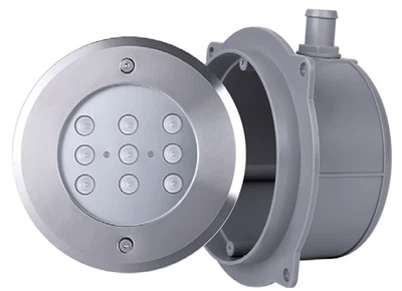
When choosing pool lights, it's important to consider energy efficiency. LED lights are a great option because they use less energy and have a longer lifespan compared to traditional incandescent lights. Many LED lights also offer adjustable beam angles, allowing you to customize the lighting according to your needs.


Related Pool Products
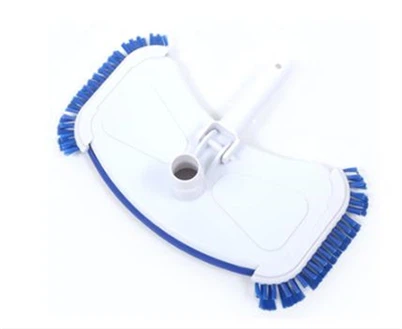
If you're in the process of setting up or maintaining your pool, you might also be interested in some related products. Check out our Swimming Pool Vacuum Hose for easy pool cleaning. It's designed to efficiently remove dirt and debris from your pool. And for inground pools, our Vacuum Head for Inground Pool is a must-have. It provides a powerful suction to keep your pool clean. Also, don't forget about pool chemicals. Our Chlorine Shock for Season Start is perfect for getting your pool ready for the swimming season.
Conclusion
Choosing the right beam angle for your pool lights is an important decision that can have a big impact on the look and feel of your pool. By considering factors like pool size, shape, purpose of lighting, and depth, you can select the beam angle that best suits your needs. Remember to test different beam angles, layer your lights, and think about energy efficiency. If you have any questions or need more advice, don't hesitate to reach out. We're here to help you create the perfect pool lighting design. Whether you're a residential pool owner or a commercial pool operator, we can provide you with high-quality pool lights and expert guidance. So, let's get started on transforming your pool into a dazzling oasis!
References
- Pool Lighting Handbook, Pool Industry Association
- Lighting Design for Outdoor Spaces, Lighting Professionals Guild