How to troubleshoot a pool vacuum head that has low suction?
Leave a message

A pool vacuum head with low suction can be a frustrating issue for pool owners. As a reliable Pool Vacuum Heads supplier, we understand the importance of maintaining a clean and well - functioning pool. In this blog, we'll guide you through the process of troubleshooting a pool vacuum head that has low suction, helping you restore its efficiency and keep your pool sparkling clean.
Check the Hose Connection
One of the most common reasons for low suction in a pool vacuum head is a loose or damaged hose connection. Start by inspecting the connection between the vacuum head and the hose. Ensure that the hose is securely attached to the vacuum head. A loose connection can allow air to enter the system, reducing the suction power.
If the connection appears loose, you can try tightening the fittings. Sometimes, the hose may have slipped off slightly, and a simple re - attachment can solve the problem. In cases where the fittings are damaged, you may need to replace them. Look for any visible signs of cracks or wear on the hose and the fittings at the connection points.


Inspect the Hose for Blockages
A blocked hose can significantly reduce the suction of your pool vacuum head. Next, check the entire length of the hose for any obstructions. Leaves, twigs, or small debris can get trapped inside the hose, hindering the flow of water and reducing suction.
To check for blockages, you can straighten the hose and look inside. Use a long, flexible rod or a plumbing snake to gently push through the hose and dislodge any debris. If the blockage is stubborn, you can also try flushing the hose with water from the opposite end. This can often wash out the obstruction and restore normal suction.
Examine the Skimmer Basket and Pump Strainer
The skimmer basket and pump strainer play a crucial role in the pool's filtration system. If these components are clogged with debris, it can restrict the water flow and lead to low suction in the vacuum head.
Regularly clean the skimmer basket, removing leaves, bugs, and other large debris. A full skimmer basket can prevent water from flowing freely into the pump, affecting the overall suction power. Similarly, check the pump strainer. It may require opening the pump housing to access the strainer. Clean it thoroughly to ensure unobstructed water flow.
Assess the Pool Pump
The pool pump is the heart of the pool's circulation system. A malfunctioning pump can cause low suction in the vacuum head. Check the pump's motor to ensure it is running smoothly. Listen for any unusual noises, such as grinding or rattling, which could indicate a problem.
Also, check the pump's impeller. The impeller is responsible for creating the water flow in the pump. If it is clogged or damaged, it can reduce the pump's efficiency and, consequently, the suction of the vacuum head. You may need to shut off the power to the pump and access the impeller housing to inspect and clean it.
Evaluate the Filter System
A dirty or clogged filter can also lead to low suction. There are different types of pool filters, such as sand filters, cartridge filters, and diatomaceous earth (DE) filters, each with its own maintenance requirements.
For sand filters, backwashing the filter regularly helps to remove the trapped debris. Follow the manufacturer's instructions for the proper backwashing procedure. Cartridge filters need to be removed and cleaned. Use a filter cleaner to remove grease, oil, and dirt from the cartridge. DE filters require a more involved cleaning process, including adding new DE powder after cleaning the grids.
Check the Vacuum Head Itself
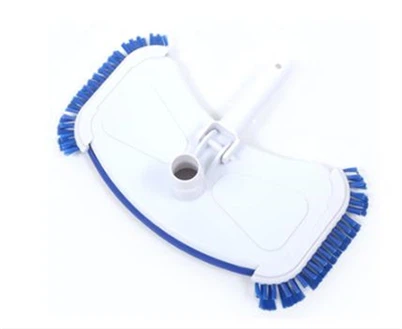
The vacuum head can also be the source of the low - suction problem. Inspect the brush skirt around the vacuum head. A worn - out or damaged brush skirt can allow air to enter the vacuum head, reducing its suction. If the brush skirt is in poor condition, replace it with a new one.
Also, ensure that there are no clogs inside the vacuum head. Debris can sometimes get stuck in the intake opening or the internal passages of the vacuum head. Use a small brush or a pipe cleaner to remove any blockages.
Consider the Water Level in the Pool
The water level in the pool can affect the performance of the pool vacuum head. If the water level is too low, it can cause the pump to draw in air, reducing the suction power. Make sure the water level is within the recommended range specified by the pool manufacturer.
Maintaining the proper water level is essential not only for the vacuum head's performance but also for the overall health of the pool's circulation system. You may need to add water to the pool regularly, especially if you notice a significant drop in the water level.
Additional Pool Products for a Complete Pool Experience
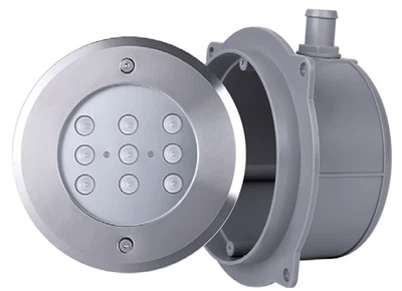
While dealing with your pool vacuum head issues, you might also be interested in enhancing your pool environment. We offer a wide range of Swimming Pool Lights that can transform your pool into a magical place at night. These lights come in various styles and colors, adding a touch of elegance to your pool.
For easy access to your pool, our Swimming Pool Steps provide a safe and convenient way to enter and exit the water. They are designed to be durable and easy to install. Also, our 12V Submersible Spot Light can add a focused and dramatic lighting effect to your pool.
Conclusion and Contact for Purchase
Troubleshooting a pool vacuum head with low suction requires a systematic approach. By following the steps outlined in this blog, you can identify and resolve the issues causing low suction. As a leading Pool Vacuum Heads supplier, we are committed to providing you with high - quality products and valuable information to keep your pool in top condition.
If you are experiencing persistent problems with your pool vacuum head or are interested in purchasing our products, we encourage you to contact us for a detailed discussion. Our team of experts is ready to assist you with any questions you may have and guide you through the purchasing process. Whether you need a new vacuum head, replacement parts, or any of our other pool products, we are here to serve you.
References
- "Pool Maintenance Handbook" by Pool Maintenance Experts
- Manufacturer's manuals of various pool equipment