What are the common problems with pool liners?
Leave a message

Hey there, pool owners! As a long - time pool liners supplier, I've seen it all when it comes to the common problems that pool liners face. In this blog, I'm gonna share with you some of the most frequent issues and how you can deal with them.


1. Punctures and Tears
One of the most obvious problems with pool liners is punctures and tears. These can happen for a variety of reasons. Sharp objects like toys with hard edges, pool equipment that has rough parts, or even a wayward lawnmower throwing a rock into the pool can cause a hole in the liner.
If you notice a small puncture, it might seem like a minor issue at first. But even a tiny hole can lead to bigger problems over time. Water can seep through the hole, which can cause the liner to separate from the pool wall in that area. And if the hole is left unrepaired, it can grow larger, especially if there's a lot of movement in the water or if the pool is frequently used.
Fixing a small puncture is usually not too difficult. There are patch kits available that can do the job. But for larger tears, it's often best to call in a professional. And here's a tip: if you're looking for something to keep your pool covered and protected from potential debris that could cause punctures, check out the 24 Foot Above Ground Solar Cover Reel. It's a great way to safeguard your liner when the pool's not in use.
2. Fading and Discoloration
Over time, pool liners can start to fade and change color. This is mainly due to exposure to sunlight, specifically the UV rays. Chlorine and other pool chemicals can also play a role in discoloration. If the chemical balance in your pool is off, it can cause the liner to fade more quickly.
Fading not only makes your pool look less appealing, but it can also be a sign of wear and tear on the liner. A severely faded liner might be more prone to other problems like cracking. To prevent fading, you can use a pool cover to reduce the liner's exposure to sunlight. And make sure to keep your pool chemicals in check. You might want to consider using a Pool Chemical Dosing System Pump to help maintain the right chemical balance.
3. Lifting and Separating from the Walls
Another common problem is when the pool liner starts to lift or separate from the pool walls. This can happen if there's a problem with the water level in the pool. If the water level drops too low, the pressure on the liner changes, and it can start to pull away from the walls.
Soil movement around the pool can also cause the liner to lift. If the ground settles or shifts, it can put stress on the liner and make it separate. And sometimes, improper installation can be the culprit. If the liner wasn't installed correctly in the first place, it might start to come loose over time.
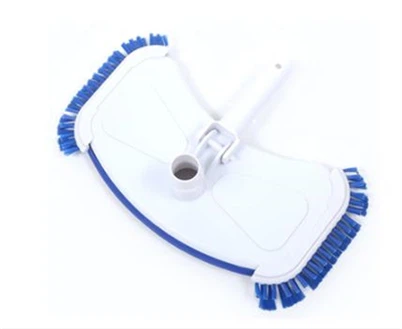
If you notice your liner lifting, it's important to address the issue quickly. You might be able to reattach the liner in some cases, but in more severe situations, you might need to replace it. And keeping your pool clean can also help prevent this problem. Using an Above Ground Pool Automatic Cleaners can reduce the amount of debris in the pool, which can help maintain the proper water level and reduce stress on the liner.
4. Cracking
Cracking is a serious problem with pool liners. It can be caused by a combination of factors such as extreme temperature changes, aging, and chemical imbalances. In colder climates, when the water in the pool freezes and expands, it can put a lot of pressure on the liner, causing it to crack.
Even in warmer climates, if the liner is exposed to very high temperatures for long periods, it can become brittle and more likely to crack. And as mentioned before, if the pool chemicals are not properly balanced, it can weaken the liner over time, making it more susceptible to cracking.
Once a liner starts to crack, it's usually a sign that it's reaching the end of its lifespan. In most cases, a cracked liner will need to be replaced. Regular maintenance and proper chemical management can help extend the life of your liner and reduce the risk of cracking.
5. Algae Growth
Algae growth on a pool liner is not only unsightly but can also damage the liner. Algae can attach itself to the liner and start to break down the material over time. It thrives in warm, stagnant water with poor chemical balance.
If you notice green, black, or yellow spots on your liner, it's likely algae. To get rid of it, you'll need to shock the pool with a high - dose of chlorine or other algaecides. And then, make sure to keep the pool clean and the chemical levels balanced. Using a pool cleaner can help remove algae and prevent it from coming back.
6. Wrinkling
Wrinkles in a pool liner can be both a cosmetic issue and a functional one. Wrinkles can form during installation if the liner wasn't stretched properly. They can also develop over time due to changes in water levels or soil movement.
Wrinkles can trap debris, making it harder to clean the pool. And they can also put stress on the liner, increasing the risk of punctures and tears. In some cases, you might be able to smooth out minor wrinkles by adjusting the water level or using a special tool. But for more severe wrinkling, it might be necessary to replace the liner.
How to Avoid These Problems
The key to avoiding these common pool liner problems is regular maintenance. Here are some tips:
- Keep the water clean: Use a good pool filter and clean it regularly. Vacuum the pool to remove debris.
- Maintain proper chemical balance: Test the water frequently and adjust the chemical levels as needed.
- Use a pool cover: A cover can protect the liner from sunlight, debris, and temperature changes.
- Inspect the liner regularly: Look for signs of damage like punctures, tears, or discoloration and address them immediately.
If you're facing any of these problems with your pool liner or if you're in the market for a new one, I'm here to help. As a pool liners supplier, I've got a wide range of high - quality liners to suit different pool sizes and styles. Whether you need a replacement liner or advice on pool liner maintenance, feel free to reach out to me for a chat about your pool needs. We can discuss the best options for your situation and get you on the path to a beautiful, problem - free pool.
References
- "Pool Maintenance Handbook" - A comprehensive guide on pool care and maintenance.
- "The Science of Pool Liners" - An in - depth look at the materials and properties of pool liners.