What are the different types of pool chemical feeders?
Leave a message

Hey there! I'm a supplier of pool chemicals, and today I wanna talk about the different types of pool chemical feeders. You know, keeping a pool clean and safe is a big deal, and having the right chemical feeder can make the whole process a lot easier.
Bromine Feeders
Let's start with bromine feeders. Bromine is a great alternative to chlorine, especially for those with sensitive skin. Bromine feeders are designed to release bromine into the pool water in a controlled manner.
These feeders usually come in two main types: floating and in - line. Floating bromine feeders are super easy to use. You just fill them up with bromine tablets and toss them into the pool. They float around, gradually dissolving the tablets and releasing bromine. It's like having a little chemical dispensary floating on the water surface.
In - line bromine feeders, on the other hand, are connected to the pool's plumbing system. They work as water flows through them, dissolving the bromine and adding it to the circulating water. This type of feeder is great for larger pools as it can ensure a more even distribution of bromine throughout the pool.
Chlorine Feeders
Chlorine is the most common chemical used in pool maintenance, and there are several types of chlorine feeders.
One popular option is the tablet feeder. These are similar to the floating bromine feeders. You place chlorine tablets inside, and as the water from the pool comes into contact with the tablets, they dissolve and release chlorine. The rate of dissolution can be adjusted in some models, allowing you to control how much chlorine is added to the pool.

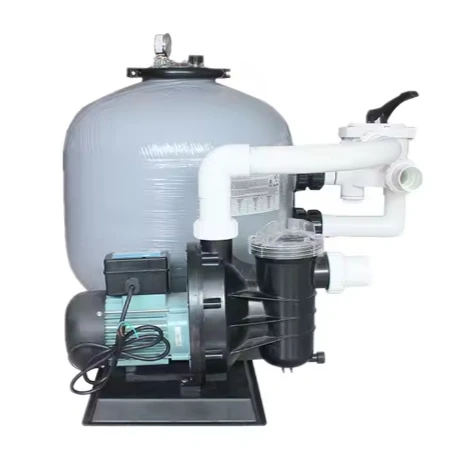
Another type is the liquid chlorine feeder. Liquid chlorine is a powerful sanitizer, and a liquid feeder can deliver it directly into the pool's plumbing system. These feeders often have a pump that meters the amount of liquid chlorine being added. This ensures that the chlorine levels in the pool are kept at an appropriate level.
Calcium Hypochlorite Feeders
Calcium hypochlorite is a strong chlorine - based sanitizer. Calcium hypochlorite feeders are designed to handle the granular form of this chemical. They usually have a hopper where you can pour the calcium hypochlorite granules. The feeder then dispenses the granules into the pool water at a set rate.
These feeders are great for pools that need a high - dose of sanitizer quickly, like after a heavy pool party or a big rainfall. However, they require a bit more maintenance compared to other feeders because the granules can sometimes clog the dispensing mechanism.
Salt Chlorinators
Salt chlorinators are a bit different from the traditional chemical feeders. Instead of adding pre - made chlorine, they generate chlorine from salt that you add to the pool water.
Here's how it works: The salt chlorinator has a cell that uses electrolysis to convert salt (sodium chloride) into chlorine. The chlorine is then released into the pool water to sanitize it. Once the chlorine has done its job, it reverts back to salt, and the cycle repeats.
This type of feeder is popular because it provides a more continuous and consistent supply of chlorine. It also reduces the need to handle and store large amounts of traditional chlorine chemicals.
pH Feeders
Maintaining the right pH level in the pool is crucial. If the pH is too high or too low, it can cause problems like skin irritation for swimmers and corrosion of pool equipment.
pH feeders are used to add chemicals like muriatic acid (to lower pH) or sodium carbonate (to raise pH) to the pool water. These feeders are often connected to a pH sensor. The sensor measures the pH of the pool water, and the feeder automatically adds the appropriate amount of chemical to keep the pH within the desired range.
Benefits of Using the Right Chemical Feeder
Using the right chemical feeder has several benefits. First of all, it ensures that the chemicals are added to the pool in a consistent and controlled manner. This means that the pool water is always properly sanitized and balanced, which is great for the health of the swimmers.
Secondly, it saves time and effort. You don't have to manually add chemicals to the pool on a daily basis. The feeder does it for you, allowing you to enjoy your pool more and spend less time on maintenance.
Lastly, it can extend the life of your pool equipment. Properly balanced water reduces the risk of corrosion and scaling, which can damage pumps, heaters, and Cartridge Filter.
Choosing the Right Chemical Feeder for Your Pool
When choosing a chemical feeder, there are a few things to consider. The size of your pool is an important factor. Larger pools may require a more powerful and larger - capacity feeder.
The type of pool you have also matters. For example, if you have an above - ground pool, a floating feeder might be a more convenient option. On the other hand, if you have an inground pool, an in - line feeder could provide better distribution of chemicals. You might also want to take a look at Inground Pool Ladder Rails for safety and convenience while using your inground pool.
Your budget is another consideration. Some feeders, like salt chlorinators, can be more expensive upfront but may save you money in the long run on chemical costs.
Tips for Maintaining Your Chemical Feeders
To keep your chemical feeders working properly, regular maintenance is essential. For tablet and granular feeders, make sure to clean the hoppers and dispensing mechanisms regularly to prevent clogging.
For liquid feeders, check the pumps and hoses for leaks and blockages. And for salt chlorinators, clean the cell periodically to remove any buildup of calcium or other minerals.
If you use a pool cover, like an Above Ground Pool Automatic Cover, it can help reduce the amount of debris and sunlight that reaches the pool, which in turn can reduce the chemical demand and the workload on your feeder.
Conclusion
In conclusion, there are many different types of pool chemical feeders, each with its own advantages. Whether you choose a bromine feeder, a chlorine feeder, or a salt chlorinator, the goal is to keep your pool water clean, safe, and balanced.
If you're in the market for pool chemicals or need help choosing the right chemical feeder for your pool, I'd love to have a chat with you. Just reach out, and we can discuss your specific needs and find the best solutions for your pool. Let's make sure your pool is always in top - notch condition!
References
- "Pool and Spa Operator Handbook"
- Various industry publications on pool maintenance and chemicals