What is the horsepower of a common small pool pump?
Leave a message

What is the horsepower of a common small pool pump?
As a supplier of small pool pumps, I often get asked about the horsepower of these pumps. Understanding the appropriate horsepower for a small pool pump is crucial for efficient pool maintenance and operation. In this blog post, I'll delve into the details of what horsepower means in the context of small pool pumps, factors that influence the required horsepower, and typical horsepower ranges for common small pool setups.
Understanding Horsepower in Pool Pumps
Horsepower (HP) is a unit of power that measures the rate at which work is done. In the case of pool pumps, it indicates the pump's ability to move water through the pool's filtration system, circulation pipes, and other components. A higher horsepower pump generally means more power to move water, but it also consumes more electricity.
The power of a pool pump is directly related to its flow rate and the head pressure it can generate. Flow rate is measured in gallons per minute (GPM) and represents the volume of water the pump can move in a minute. Head pressure, on the other hand, is the resistance the pump must overcome to push water through the pipes, filters, and other equipment. The combination of flow rate and head pressure determines the overall performance of the pool pump.
Factors Influencing the Required Horsepower
Several factors come into play when determining the appropriate horsepower for a small pool pump. These include:


- Pool Size: The size of the pool is one of the most significant factors. Larger pools require more water circulation to keep the water clean and well - distributed. A small pool, typically defined as having a volume of less than 10,000 gallons, will generally need a lower horsepower pump compared to a large commercial pool. For example, a tiny plunge pool or a small above - ground pool may only need a 0.5 - 1 HP pump, while a mid - sized in - ground small pool (around 5,000 - 10,000 gallons) might require a 1 - 1.5 HP pump.
- Filtration System: The type and size of the filtration system also affect the required horsepower. A more advanced or larger filtration system may have higher resistance, requiring a pump with more power to push water through it. For instance, a cartridge filter may have a different resistance compared to a sand filter, and a multi - stage filtration system will need a more powerful pump to ensure proper water flow.
- Pipe Length and Diameter: Longer pipes and smaller pipe diameters create more resistance to water flow. If your pool has a complex plumbing layout with long runs of pipes or small - diameter pipes, you'll need a pump with higher horsepower to overcome this resistance. On the other hand, a simple plumbing system with short, large - diameter pipes will require less power from the pump.
- Additional Features: If your pool has additional features such as waterfalls, fountains, or spa jets, these will increase the head pressure and require a more powerful pump. The pump needs to not only circulate the water in the pool but also provide enough pressure to operate these features effectively.
Typical Horsepower Ranges for Small Pool Pumps
Based on the factors mentioned above, here are some typical horsepower ranges for common small pool setups:
- Very Small Pools (Less than 2,000 gallons): For extremely small pools like small above - ground kiddie pools or tiny plunge pools, a 0.25 - 0.5 HP pump is usually sufficient. These pumps can provide enough water circulation to keep the water clean and prevent stagnation.
- Small Above - Ground Pools (2,000 - 5,000 gallons): A 0.5 - 1 HP pump is a common choice for small above - ground pools. This horsepower range can handle the water volume and provide adequate circulation for basic filtration.
- Small In - Ground Pools (5,000 - 10,000 gallons): Pumps in the 1 - 1.5 HP range are typically used for small in - ground pools. These pumps can handle the larger volume of water and the increased head pressure associated with in - ground pool plumbing systems.
It's important to note that these are general guidelines, and the actual horsepower requirement may vary depending on the specific characteristics of your pool and its equipment.
Energy Efficiency and Horsepower
While a higher horsepower pump can provide more power, it also consumes more energy. As an environmentally - conscious and cost - aware supplier, I always recommend considering energy - efficient pumps. Many modern small pool pumps are designed to provide high performance with lower energy consumption. Variable - speed pumps, for example, can adjust their speed according to the pool's needs, reducing energy usage during periods of lower demand.
When choosing a pool pump, look for models with high Energy Star ratings. These pumps are designed to meet strict energy - efficiency standards, which can save you money on your electricity bills in the long run.
Complementary Products for Small Pools
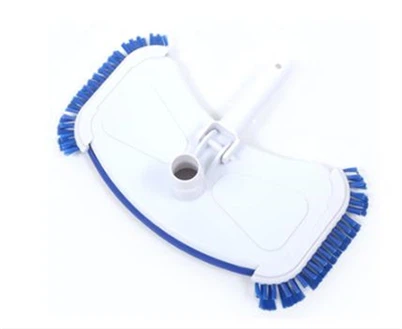
In addition to small pool pumps, we also offer a range of complementary products for small pool maintenance. For example, our Soft Pool Brush is perfect for gently cleaning the walls and floor of your small pool without scratching the surface. Our Swimming Pool Plate Heat Exchanger can help maintain the water temperature in your pool, especially during cooler months. And our Pool Vacuum Brush Head is an essential tool for removing debris from the pool floor.
Contact Us for Purchase and Consultation
If you're in the market for a small pool pump or have questions about the appropriate horsepower for your pool, we're here to help. Our team of experts can provide personalized advice based on your specific pool requirements. Whether you need a pump for a tiny above - ground pool or a small in - ground oasis, we have a wide range of high - quality, energy - efficient options to choose from.
Don't hesitate to reach out to us to start the procurement process. We look forward to helping you keep your small pool clean, well - circulated, and enjoyable all season long.
References
- "Pool Pump Basics" by the Pool and Spa Association.
- "Energy - Efficient Pool Pumps" research report from the Department of Energy.
- Manufacturer's specifications for various small pool pump models.