What is the impact of a dirty pool filter on pool equipment?
Leave a message

Hey there, pool owners! As a supplier of top - notch pool filters, I've seen firsthand the havoc a dirty pool filter can wreak on your pool equipment. Let's dive right into it and explore the impact of a dirty pool filter on your beloved pool setup.
First off, let's understand how a pool filter works. A pool filter is like the heart of your pool's circulation system. It's responsible for trapping all the gunk, debris, and contaminants that end up in your pool water. Whether it's leaves, dirt, sunscreen, or even tiny microorganisms, the filter catches them so that your pool water stays clean and clear. But when that filter gets dirty, things start to go south.
One of the most immediate impacts of a dirty pool filter is reduced water flow. Think of it like a clogged drain in your sink. When the filter is full of dirt and debris, water has a hard time passing through it. This reduced water flow can put a lot of strain on your pool pump. The pump has to work much harder to push the water through the clogged filter, and that extra effort can lead to overheating.
Over time, the constant overheating can damage the pump motor. A damaged pump motor means you're looking at a hefty repair or replacement bill. And trust me, pool pump motors aren't cheap. You might start noticing that your pump is making strange noises, or it might even shut off unexpectedly. These are all signs that the dirty filter is taking a toll on the pump.
Another piece of equipment that gets affected is the pool heater. A dirty filter can disrupt the proper flow of water through the heater. Pool heaters rely on a consistent flow of water to function efficiently. When the water flow is restricted due to a dirty filter, the heater can overheat. This not only reduces its efficiency but can also cause long - term damage to the heating elements.
If the heating elements in your pool heater get damaged, you'll find that your pool water isn't heating up as it should. You might be paying more for energy, but not getting the warm, inviting pool water you're after. And just like with the pump, replacing the heating elements in a pool heater can be quite expensive.
The chemical distribution system in your pool is also at risk. Many pool chemical feeders rely on proper water flow to disperse the right amount of chemicals into the pool water. A dirty filter can mess up this process. When the water flow is restricted, the chemical feeder might not distribute the chemicals evenly. This can lead to imbalances in your pool water chemistry.
For example, you might end up with areas of the pool that have too much chlorine, while other areas have too little. Imbalanced water chemistry can cause a host of problems, from skin and eye irritation for swimmers to the growth of algae and bacteria in the pool. And if you have to shock your pool frequently to correct the chemical imbalances, that's going to cost you more in chemicals.
Now, let's talk about the pool cleaner. Whether you have a robotic cleaner, a suction - side cleaner, or a pressure - side cleaner, a dirty filter can affect its performance. A suction - side cleaner, for instance, relies on the pool pump to create suction. When the filter is dirty and the pump is struggling, the suction power is reduced. This means the cleaner won't be able to pick up debris as effectively.
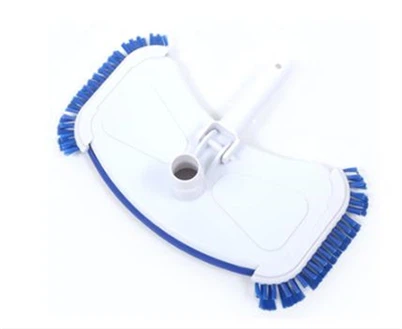
You might notice that there are still leaves and dirt on the bottom of your pool, even after the cleaner has done its rounds. If you're using a Vacuum Head for Inground Pool, a dirty filter can make it less effective as well. The reduced water flow can prevent the vacuum head from creating a strong enough seal to pick up dirt and debris.
The Floating Lane Line For Swimming Pool can also be indirectly affected. When the pool water chemistry is off due to a dirty filter, the materials in the lane line can degrade more quickly. Chlorine imbalances, for example, can cause the plastic or rubber in the lane line to become brittle over time.
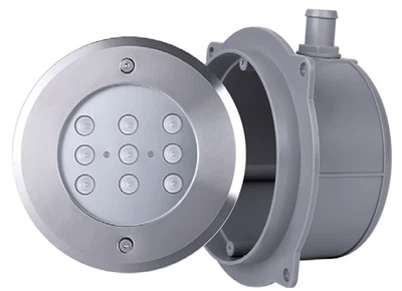
And let's not forget about the Stainless Steel Fountain Light. A dirty filter can lead to poor water clarity. When the water is murky, the light from the fountain light won't be as visible. Also, if the water chemistry is imbalanced, it can cause corrosion on the stainless - steel parts of the light.
So, what can you do to prevent all these problems? The answer is simple: keep your pool filter clean. Regularly backwash or clean your filter according to the manufacturer's instructions. If you have a cartridge filter, you might need to rinse it with a hose and soak it in a filter cleaner every few weeks. For sand filters, backwashing is usually recommended once a week or when the pressure gauge on the filter shows a significant increase.
As a pool filter supplier, I can't stress enough the importance of using high - quality filters. A good filter will trap more debris and last longer, reducing the frequency of cleaning and replacement. And if you're in the market for a new filter or need advice on filter maintenance, don't hesitate to reach out.


We're here to help you keep your pool in top shape and avoid the costly consequences of a dirty pool filter. Whether you're a new pool owner or a seasoned pro, we've got the knowledge and products to meet your needs. Contact us today to start a conversation about your pool filter requirements. We're ready to assist you in making the best choices for your pool equipment.
References
- "Pool and Spa Handbook: Operation, Maintenance, and Repair" by Jeff Yelton
- "The Complete Guide to Pool Care and Maintenance" by John D. Caddell