What is the impact of a pool filter on energy consumption?
Leave a message

Hey there, pool enthusiasts! I'm a supplier of pool filters, and I've been getting a lot of questions lately about how these filters impact energy consumption. So, I thought I'd dive right in and share some insights with you.
First off, let's talk about what a pool filter actually does. A pool filter is like the heart of your pool's circulation system. It's responsible for removing dirt, debris, and other contaminants from the water, keeping it clean and clear. There are different types of pool filters, including sand filters, cartridge filters, and diatomaceous earth (DE) filters, each with its own pros and cons.
Now, let's get to the main question: how does a pool filter affect energy consumption? Well, the energy consumption of a pool filter depends on several factors, including the type of filter, its size, the pump it's paired with, and how often it's run.
Let's start with the type of filter. Sand filters are the most common type of pool filter, and they're generally the least energy - efficient. They work by passing water through a bed of sand, which traps the dirt and debris. However, sand filters require a relatively high flow rate to work effectively, which means the pump has to work harder and use more energy.
Cartridge filters, on the other hand, are more energy - efficient than sand filters. They use a replaceable cartridge to trap the contaminants. Cartridge filters have a larger surface area than sand filters, which means they can capture more debris at a lower flow rate. This results in less strain on the pump and lower energy consumption.
DE filters are the most efficient type of pool filter when it comes to removing small particles. They use diatomaceous earth, a fine powder made from the fossilized remains of diatoms, to filter the water. DE filters can capture particles as small as 2 - 5 microns, which is much smaller than what sand or cartridge filters can handle. However, they also require a high - pressure pump to operate, which can increase energy consumption.
The size of the filter also plays a role in energy consumption. A filter that's too small for your pool will have to work harder to clean the water, which means the pump will use more energy. On the other hand, a filter that's too large for your pool may not be necessary and could also waste energy. It's important to choose a filter that's the right size for your pool to optimize energy efficiency.


The pump that's paired with the filter is another crucial factor. A high - efficiency pump can significantly reduce energy consumption. Variable - speed pumps, for example, are a great option. They allow you to adjust the speed of the pump according to your pool's needs. You can run the pump at a lower speed during normal filtration and increase the speed when you need to backwash the filter or clean the pool. This way, you're only using as much energy as necessary.
How often you run the filter also affects energy consumption. In general, it's recommended to run your pool filter for 8 - 12 hours a day to keep the water clean. However, if you have a variable - speed pump, you can run it for longer periods at a lower speed, which can be more energy - efficient.
Now, let's talk about how you can make your pool filter more energy - efficient. One simple thing you can do is to keep the filter clean. A dirty filter will restrict the flow of water, which means the pump has to work harder. Make sure to clean or replace the filter cartridges regularly, and backwash your sand or DE filter as needed.
Another tip is to use a timer for your pump. You can set the timer to run the pump during off - peak hours when electricity rates are lower. This can save you a significant amount of money on your energy bill.
If you're in the market for a new pool filter, consider investing in a high - efficiency model. As a pool filter supplier, I can offer you a range of options that are designed to save energy without sacrificing performance.
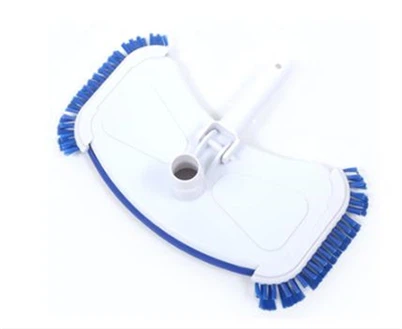
In addition to pool filters, we also offer other great pool products. For example, check out our 3D Mosaic Pool Liner. It can give your pool a beautiful and unique look. And if you're into swimming competitions or just want to add some fun to your pool, our Diving Blocks For Swimming Pool are a great choice. Also, don't forget about our Pool Vacuum Head for Leaves, which can make cleaning your pool a breeze.
To sum it up, a pool filter can have a significant impact on energy consumption. By choosing the right type of filter, the right size, and a high - efficiency pump, and by following some simple energy - saving tips, you can reduce your pool's energy usage and save money on your electricity bill.
If you're interested in learning more about our pool filters or other pool products, or if you want to discuss a potential purchase, don't hesitate to reach out. We're here to help you make the best choices for your pool and your wallet.
References
- "Pool Filter Buying Guide", Pool & Spa News
- "Energy - Efficient Pool Equipment", US Department of Energy