What is the impact of underwater spot lights on aquatic plants?
Leave a message

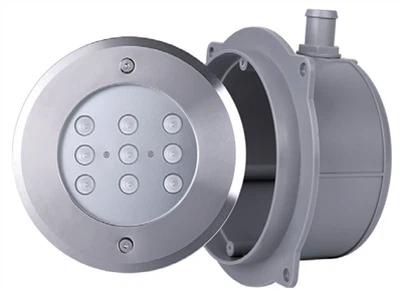
Underwater spot lights have become increasingly popular in various aquatic settings, from home swimming pools to large - scale aquariums. As a supplier of underwater spot lights, I have witnessed the growing demand for these products. However, a question that often arises is: What is the impact of underwater spot lights on aquatic plants? In this blog, we will delve into this topic from multiple scientific perspectives.
1. Light as an Energy Source for Aquatic Plants
Aquatic plants, like their terrestrial counterparts, rely on light for photosynthesis. Photosynthesis is the process by which plants convert light energy into chemical energy, using carbon dioxide and water to produce glucose and oxygen. Underwater spot lights can supplement or even replace natural sunlight in some cases, especially in indoor aquariums or pools with limited natural light penetration.
The intensity of light is a crucial factor. Different species of aquatic plants have different light requirements. Some low - light plants, such as Java moss, can thrive with relatively dim light. For these plants, underwater spot lights with lower intensity can provide sufficient energy for photosynthesis. On the other hand, high - light plants like red Ludwigia need intense light to grow properly. As a supplier, we offer a range of underwater spot lights with varying intensities to meet the diverse needs of different aquatic plant species. For instance, our high - intensity spot lights can mimic the strong sunlight in shallow, clear waters, which is beneficial for those high - light demanding plants.
The quality of light also matters. Aquatic plants primarily absorb light in the blue and red spectra for photosynthesis. Blue light is important for vegetative growth, while red light is crucial for flowering and fruiting. Our underwater spot lights are designed to emit light in the optimal spectra for aquatic plant growth. By providing the right combination of blue and red light, we can enhance the photosynthetic efficiency of aquatic plants, promoting their healthy growth and development.
2. Influence on Plant Growth and Development
Underwater spot lights can significantly affect the growth and development of aquatic plants. Adequate light exposure can lead to increased biomass production. When plants receive sufficient light energy, they can produce more glucose through photosynthesis. This extra energy can be used for cell division, elongation, and the synthesis of other essential biomolecules, resulting in faster growth.
In addition to growth rate, light also influences the morphology of aquatic plants. For example, in low - light conditions, plants may stretch towards the light source in an attempt to capture more light. This can lead to weak, spindly stems. With proper illumination from our underwater spot lights, plants can grow more compactly and have stronger stems. The direction of light can also affect the orientation of plant growth. We can design the installation of underwater spot lights to ensure that plants receive light evenly from all directions, promoting balanced growth.
Some aquatic plants have photoperiodic responses, which means their flowering and dormancy are regulated by the length of light exposure. By controlling the lighting duration of our underwater spot lights, we can manipulate the flowering time of these plants. This is particularly useful for aquarium enthusiasts who want to create a more aesthetically pleasing display with blooming plants at specific times.
3. Impact on the Aquatic Ecosystem
Underwater spot lights not only affect individual plants but also have an impact on the entire aquatic ecosystem. Aquatic plants are primary producers in the ecosystem, and their health and productivity can influence other organisms in the water. For example, healthy plants provide oxygen through photosynthesis, which is essential for the survival of fish and other aerobic organisms. By promoting the growth of aquatic plants with our underwater spot lights, we can improve the oxygen content in the water, creating a more suitable environment for the entire ecosystem.
Plants also serve as habitats and food sources for many aquatic animals. Dense, healthy plant growth can provide shelter for small fish and invertebrates, protecting them from predators. Additionally, the detritus from plants can be a food source for decomposers, which play an important role in nutrient cycling. Our underwater spot lights can contribute to a more balanced and diverse aquatic ecosystem by supporting the growth of a variety of plant species.
However, improper use of underwater spot lights can also have negative impacts. Excessive light can lead to algal blooms. Algae, like plants, use light for photosynthesis. If there is too much light and an abundance of nutrients in the water, algae can grow out of control. This can cause water quality problems, such as reduced oxygen levels at night when algae respire, and can also make the water look cloudy and unappealing. As a responsible supplier, we provide guidelines on the appropriate use of our underwater spot lights to avoid such issues.
4. Compatibility with Other Aquatic Products
When considering the use of underwater spot lights, it is important to think about their compatibility with other aquatic products. For example, The HLB Cold Tub is a popular product for cold therapy in swimming pools. Our underwater spot lights are designed to be compatible with different water temperatures, including the cold water in the HLB Cold Tub. They are made of high - quality materials that can withstand low temperatures without losing their performance.
Another important product is An Alu. Slated Cover For Pool. When the pool is covered, the amount of natural light entering the water is reduced. Our underwater spot lights can be used to supplement the light, ensuring that aquatic plants continue to receive sufficient illumination even when the pool is covered.
Chlorine Shock for Season Start is a common chemical used to sanitize swimming pools. Our underwater spot lights are resistant to the chemicals in the pool water, including chlorine. This ensures that they can operate safely and effectively in a chemically treated pool environment.


5. Conclusion and Call to Action
In conclusion, underwater spot lights can have a profound impact on aquatic plants. They can provide the necessary light energy for photosynthesis, influence plant growth and development, and play an important role in the aquatic ecosystem. As a supplier of underwater spot lights, we are committed to providing high - quality products that are not only effective but also compatible with other aquatic products.
If you are interested in enhancing the growth of your aquatic plants or creating a more beautiful and healthy aquatic environment, we invite you to contact us for a purchase and negotiation. Our team of experts can provide you with detailed information about our products and help you choose the most suitable underwater spot lights for your specific needs.
References
- Smith, J. (2018). Aquatic Plant Physiology. Springer.
- Jones, A. (2019). The Impact of Artificial Lighting on Aquatic Ecosystems. Journal of Aquatic Science.
- Brown, C. (2020). Light and Photosynthesis in Aquatic Plants. Oxford University Press.