What is the legal requirement for recessed pool lights?
Leave a message

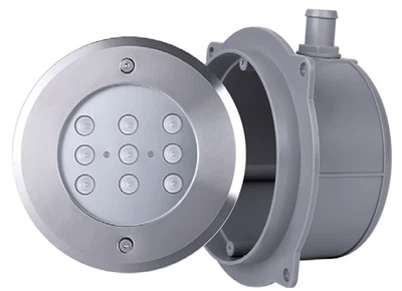
Hey there! As a supplier of recessed pool lights, I've had my fair share of questions about the legal requirements that come with these nifty little fixtures. So, I thought I'd put together this blog post to clear things up and give you all the deets.


First off, let's talk about why there are legal requirements for recessed pool lights in the first place. Safety is the name of the game here. Pools can be dangerous places, especially in the dark. Recessed pool lights not only make it easier to see underwater, which helps prevent accidents like slips, trips, and falls, but they also allow lifeguards or homeowners to spot potential hazards or people in distress more quickly.
Electrical Safety Standards
One of the most important aspects of the legal requirements for recessed pool lights is electrical safety. These lights are installed in or around water, which means there's a high risk of electrical shock if they're not properly installed and maintained.
In most regions, the lights need to be grounded. Grounding is a safety feature that provides a path for electricity to flow into the ground in case of a short - circuit. This helps prevent people from getting electrocuted. The grounding system should be installed according to the National Electrical Code (NEC) in the United States, or equivalent electrical standards in other countries.
Another crucial factor is the use of low - voltage systems. Many recessed pool lights operate on a low - voltage (usually 12 volts) power supply. Low - voltage systems are less likely to cause serious injury in case of an electrical fault compared to standard 120 - volt household circuits. However, even low - voltage systems need to be installed correctly. The transformers that convert the high - voltage power from the main electrical supply to low - voltage power for the lights must be UL (Underwriters Laboratories) listed or meet other recognized safety standards.
Waterproofing and Enclosure Requirements
Since recessed pool lights are submerged in water or exposed to a wet environment, they need to be waterproof. The lights should be designed with a proper waterproof enclosure that can prevent water from seeping in and damaging the electrical components.
The enclosure is rated according to an Ingress Protection (IP) rating system. For pool lights, you'll typically want a high IP rating, like IP68. The first digit (6 in this case) indicates the level of protection against solid objects, with 6 meaning complete protection against dust. The second digit (8) shows the level of protection against water, and 8 means the light can be continuously submerged under water under certain conditions.
In addition to the IP rating, the enclosure should also be made of durable materials that can withstand the harsh pool environment. This includes resistance to corrosion from chemicals like Purest Ingredient Chlorine Tablets used in the pool water and physical damage from things like pool cleaning equipment.
Installation Requirements
Proper installation is key to meeting the legal requirements for recessed pool lights. The lights should be installed at the correct depth and distance from the pool edge. This is to ensure that they provide adequate illumination and also to prevent any damage to the lights or the pool structure.
The installation should be carried out by a qualified electrician or a professional who has experience with pool lighting installations. They need to follow the manufacturer's instructions carefully and also comply with local building codes. For example, in some areas, there may be specific requirements regarding the wiring conduit used to connect the lights to the power source. The conduit should be made of a non - conductive material and be properly sealed to prevent water from entering the wiring.
Maintenance and Inspection
Once the recessed pool lights are installed, regular maintenance and inspection are required to keep them in compliance with the legal requirements. This includes checking the lights for any signs of damage, such as cracks in the enclosure or loose wiring.
The electrical connections should be inspected periodically to make sure they're tight and free of corrosion. If any issues are found, the lights should be repaired or replaced immediately. Additionally, the pool water chemistry should be monitored closely. High levels of chemicals in the water can accelerate the corrosion of the lights and their components.
Other Considerations
There are also some other legal aspects to keep in mind when it comes to recessed pool lights. For example, in some areas, there may be regulations regarding the color and intensity of the lights. This is often related to preventing light pollution and ensuring that the lights don't cause a nuisance to neighbors.
Some local authorities may require a permit for the installation of recessed pool lights. This is part of the overall building and safety regulations for swimming pools. Before starting any installation project, it's important to check with your local building department to see if a permit is needed.
What We Offer as a Supplier
As a supplier of recessed pool lights, we understand these legal requirements inside out. Our lights are designed and manufactured to meet the highest safety and quality standards. We provide detailed installation instructions and technical support to ensure that our customers can install the lights correctly and in compliance with the law.
We also offer a range of accessories, like Gutter Grating For Swimming Pool and Swimming Pool Steps, that can enhance the functionality and safety of your pool.
If you're in the market for recessed pool lights and want to make sure you're getting a product that meets all the legal requirements, we're here to help. Whether you're a homeowner looking to upgrade your backyard pool or a commercial pool operator in need of reliable lighting solutions, we've got you covered. Reach out to us to discuss your specific needs, and we'll work with you to find the perfect recessed pool lights for your project.
References
- National Electrical Code (NEC).
- Underwriters Laboratories (UL) standards.
- Local building codes and regulations.