Can I use a fiberglass sand filter for a water cooling system?
Leave a message

As a supplier of Fiberglass Sand Filters, I've encountered numerous inquiries from customers exploring the viability of using our filters in water cooling systems. This blog aims to comprehensively address this question, delving into the technical aspects, benefits, and potential limitations of integrating fiberglass sand filters into water cooling setups.
Understanding Fiberglass Sand Filters
Before we assess their suitability for water cooling systems, let's briefly understand what fiberglass sand filters are. These filters are a popular choice in various applications, primarily in swimming pools, due to their durability, efficiency, and relatively low maintenance requirements. The core of a fiberglass sand filter consists of a tank filled with specially graded sand. As water passes through the sand bed, impurities such as dirt, debris, and even some microorganisms are trapped, resulting in cleaner water.
The fiberglass housing provides several advantages. It is corrosion - resistant, which is crucial for long - term use, especially when dealing with water that may contain chemicals or have a specific pH level. Additionally, fiberglass is lightweight yet strong, making the filter easy to install and handle.
The Function of Water Cooling Systems
Water cooling systems are designed to remove heat from industrial equipment, data centers, or other heat - generating sources. The basic principle involves circulating water through a heat exchanger, where it absorbs heat, and then transferring the heated water to a cooling tower or other cooling mechanism to dissipate the heat. The quality of water used in these systems is of utmost importance. Contaminated water can lead to several issues, including reduced heat transfer efficiency, corrosion of equipment, and the growth of biofilms that can clog pipes and heat exchangers.
Suitability of Fiberglass Sand Filters for Water Cooling Systems
Advantages
- Particle Filtration: Fiberglass sand filters are highly effective at removing suspended particles from water. In a water cooling system, dirt, rust, and other debris can accumulate over time. By using a fiberglass sand filter, these particles can be trapped, preventing them from circulating through the system and causing damage. For example, in an industrial water cooling system for a manufacturing plant, the filter can remove metal shavings and dust that may enter the water during the production process.
- Corrosion Resistance: As mentioned earlier, the fiberglass housing of the filter is corrosion - resistant. In water cooling systems, where the water may be treated with chemicals to prevent scale formation or biological growth, corrosion can be a significant concern. A fiberglass sand filter can withstand the effects of these chemicals, ensuring a longer lifespan and consistent performance.
- Cost - Effective: Compared to some other advanced filtration technologies, fiberglass sand filters are relatively inexpensive. They have a lower initial cost and require less maintenance, making them an attractive option for small to medium - sized water cooling systems. For instance, a small data center looking to improve the water quality in its cooling system can benefit from the cost - effectiveness of a fiberglass sand filter.
Limitations
- Limited Microbial Removal: While fiberglass sand filters can remove some microorganisms, they are not as effective as disinfection systems such as the Above Ground Pool Ozone Generator. In a water cooling system, the growth of bacteria, algae, and fungi can lead to biofilm formation, which can reduce the efficiency of the system. Therefore, additional disinfection methods may be required in conjunction with the fiberglass sand filter.
- Flow Rate and Pressure Drop: Fiberglass sand filters have a specific flow rate capacity. In a large - scale water cooling system with a high - volume water flow, the filter may not be able to handle the flow rate effectively. Additionally, as the filter accumulates dirt and debris, the pressure drop across the filter increases, which can affect the overall performance of the water cooling system. Regular backwashing is required to maintain an acceptable flow rate and pressure.
Complementary Equipment for Enhanced Performance
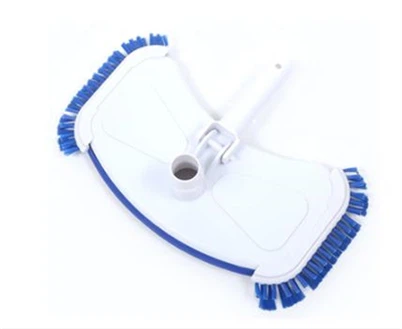
To overcome the limitations of fiberglass sand filters in water cooling systems, complementary equipment can be used. For example, a Vacuum Head for Inground Pool can be used to manually remove larger debris from the water cooling system before it reaches the filter. This can reduce the load on the filter and extend its service life.


A Telescopic Pool Vacuum Pole can also be useful for cleaning hard - to - reach areas in the water cooling system, ensuring that all parts of the system are free from debris.
Case Studies
Let's look at a real - world example. A small - scale data center was experiencing reduced cooling efficiency due to the presence of dirt and debris in its water cooling system. After installing a fiberglass sand filter, the water quality improved significantly. The filter removed a large amount of suspended particles, and the heat transfer efficiency of the system increased. However, the data center also noticed the growth of biofilms in the pipes. To address this issue, they installed an ozone generator in conjunction with the fiberglass sand filter. This combination effectively reduced the biofilm growth and maintained the overall performance of the water cooling system.
Conclusion
In conclusion, fiberglass sand filters can be a viable option for water cooling systems, especially for small to medium - sized applications. They offer effective particle filtration and corrosion resistance at a relatively low cost. However, they have limitations in terms of microbial removal and flow rate capacity. By using complementary equipment and additional disinfection methods, these limitations can be overcome, and the overall performance of the water cooling system can be enhanced.
If you are considering using a fiberglass sand filter for your water cooling system or have any questions about our products, we encourage you to contact us for a detailed discussion. Our team of experts can provide you with customized solutions based on your specific requirements. Let's work together to ensure the optimal performance of your water cooling system.
References
- ASHRAE Handbook - HVAC Systems and Equipment. American Society of Heating, Refrigerating and Air - Conditioning Engineers.
- Water Treatment Handbook for Cooling Systems. Various industry publications on water treatment and cooling system maintenance.