How to connect a small pool pump to a pool filter?
Leave a message

Connecting a small pool pump to a pool filter is a fundamental step in maintaining a clean and healthy swimming pool. As a dedicated supplier of small pool pumps, I understand the importance of this process and am here to guide you through it. In this blog, I'll provide a detailed, step - by - step guide on how to connect your small pool pump to a pool filter, along with some essential tips and safety precautions.
Understanding the Basics
Before we start the connection process, it's crucial to understand the basic functions of a pool pump and a pool filter. A pool pump is responsible for circulating the water in your pool. It draws water from the pool through the skimmer and main drain, and then pushes it through the filter. The pool filter, on the other hand, removes debris, dirt, and other contaminants from the water, ensuring that the water in your pool remains clean and clear.
Tools and Materials You'll Need
- Pipe Cutters: These are used to cut the PVC pipes to the appropriate length.
- PVC Glue: To secure the PVC pipes together.
- Teflon Tape: Helps to create a watertight seal on threaded connections.
- Screwdriver: For removing and attaching any necessary screws.
- Pipe Wrenches: To tighten the connections between the pump, filter, and pipes.
- Safety Glasses and Gloves: Protect your eyes and hands during the installation process.
Step - by - Step Connection Process
Step 1: Choose the Right Location
First, you need to select a suitable location for both the pump and the filter. The area should be level, dry, and well - ventilated. It should also be close to the pool to minimize the length of the pipes, which reduces the pressure loss in the system. Make sure there is enough space around the pump and filter for easy maintenance and access.
Step 2: Prepare the Pipes
Measure and cut the PVC pipes to the appropriate lengths using the pipe cutters. The pipes should be long enough to connect the pump to the filter and from the filter back to the pool. Be precise with your measurements to ensure a proper fit.
Step 3: Connect the Pump to the Filter
- Inlet Connection: Connect one end of the PVC pipe to the inlet of the pool pump. Wrap the threaded end of the pipe with Teflon tape before inserting it into the pump's inlet to prevent leaks. Tighten the connection using a pipe wrench.
- Outlet Connection: Connect the other end of the same pipe to the inlet of the pool filter. Again, use Teflon tape and a pipe wrench to secure the connection.
- Return Connection: Connect another PVC pipe from the outlet of the filter back to the pool. This pipe will return the filtered water to the pool. Ensure all connections are tight and leak - free.
Step 4: Prime the Pump
Before starting the pump, you need to prime it. This involves filling the pump with water to remove any air from the system. Most small pool pumps have a priming plug or a priming valve. Remove the plug or open the valve and pour water into the pump until it is full. Replace the plug or close the valve.
Step 5: Electrical Connection
If you are not experienced with electrical work, it is recommended to hire a professional electrician to make the electrical connection. The pump must be connected to a properly grounded electrical outlet that can handle the pump's power requirements. Follow all local electrical codes and safety regulations.


Step 6: Test the System
Once the pump is connected and primed, turn on the power. Check for any leaks around the connections. Listen for any unusual noises coming from the pump or filter. If you notice any leaks, turn off the power immediately and tighten the connections.
Additional Considerations
- Pool Skimmers: Pool skimmers play an important role in the pool's circulation system. They remove large debris from the water surface before it reaches the pump and filter. You can find high - quality Pool Skimmers For Inground Pool that are suitable for your pool.
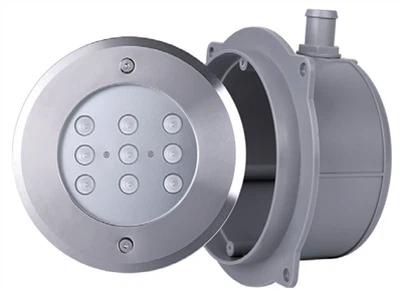
- Pool Lights: Recessed Lights for Swimming Pool not only enhance the aesthetic appeal of your pool but also provide safety during night - time swimming. Consider adding them to your pool setup.
- Pool Chemicals: To keep your pool water clean and safe, you need to use appropriate pool chemicals. Chlorine Shock for Season Start is an essential product to start the swimming season. It helps to eliminate bacteria and algae from the pool water.
Safety Precautions
- Always wear safety glasses and gloves during the installation process to protect yourself from potential injuries.
- Make sure the power is turned off before making any electrical connections or working on the pump or filter.
- Follow all manufacturer's instructions and safety guidelines provided with the pump and filter.
- Regularly inspect the pump, filter, and pipes for any signs of wear or damage. Replace any worn - out parts immediately.
Maintenance Tips
- Clean the pump basket regularly to remove debris that can clog the pump.
- Backwash the filter according to the manufacturer's recommendations. This helps to remove the accumulated dirt and debris from the filter.
- Check the water level in the pool regularly. A low water level can cause the pump to run dry, which can damage the pump.
Conclusion
Connecting a small pool pump to a pool filter is a manageable task if you follow the right steps and take the necessary precautions. By understanding the process and using the right tools and materials, you can ensure that your pool's circulation and filtration system works efficiently. As a supplier of small pool pumps, I am committed to providing high - quality products and excellent customer service. If you have any questions or need further assistance with connecting your pool pump to a filter, or if you are interested in purchasing our small pool pumps, please feel free to contact us for a purchase negotiation. We are here to help you make the most of your swimming pool experience.
References
- "Pool Pump Installation Guide" by Pool and Spa News Magazine.
- Manufacturer's manuals for small pool pumps and filters.