Can pool lights be used in pools with a salt - free chlorination system?
Leave a message

Can pool lights be used in pools with a salt - free chlorination system?
As a dedicated supplier of pool lights, I've encountered numerous inquiries from pool owners and enthusiasts about the compatibility of pool lights with different pool sanitization systems. One question that often arises is whether pool lights can be used in pools equipped with a salt - free chlorination system. In this blog post, I'll delve into this topic, exploring the technical aspects, potential benefits, and considerations to help you make an informed decision.
Understanding Salt - Free Chlorination Systems
Before we discuss the compatibility of pool lights, it's essential to understand what salt - free chlorination systems are. These systems are designed to disinfect pool water without using traditional salt - based chlorine generators. Instead, they rely on alternative methods to produce or introduce chlorine or other sanitizing agents into the water.
One common type of salt - free chlorination system is the Automatic Chlorine Tablet Dispenser. This device slowly releases chlorine tablets into the pool water, maintaining a consistent level of sanitizer. Another option is the Above Ground Pool Ozone Generator, which uses ozone to kill bacteria and other contaminants in the water.
Compatibility of Pool Lights with Salt - Free Chlorination Systems
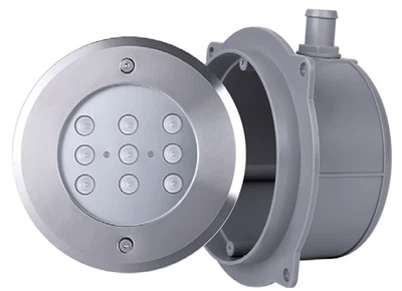
The good news is that in most cases, pool lights can be used in pools with a salt - free chlorination system. Pool lights are typically designed to withstand the chemical environment of a properly maintained pool, regardless of the sanitization method used.
Most modern pool lights are made from durable materials such as stainless steel, plastic, or glass, which are resistant to corrosion and the effects of chemicals. The seals and gaskets used in pool lights are also designed to prevent water and chemicals from entering the internal components, ensuring long - term reliability.
However, it's important to note that the chemical composition of the pool water can still have an impact on the performance and lifespan of pool lights. For example, if the pH level of the water is too high or too low, it can cause the metal parts of the pool lights to corrode over time. Similarly, high levels of certain chemicals, such as bromine or hydrogen peroxide, can also affect the seals and gaskets of the pool lights.
To ensure the compatibility of your pool lights with a salt - free chlorination system, it's recommended to follow these guidelines:
- Choose high - quality pool lights: Invest in pool lights from a reputable manufacturer that are specifically designed for use in swimming pools. These lights are more likely to be resistant to the chemical environment of the pool.
- Maintain proper water chemistry: Regularly test the water in your pool and adjust the chemical levels as needed. Keep the pH level between 7.2 and 7.8, the alkalinity between 80 and 120 ppm, and the calcium hardness between 200 and 400 ppm.
- Follow the manufacturer's instructions: Read and follow the installation and maintenance instructions provided by the pool light manufacturer. This will help you ensure that the lights are installed correctly and that they are used in a way that maximizes their lifespan.
Benefits of Using Pool Lights in Pools with Salt - Free Chlorination Systems
There are several benefits to using pool lights in pools with a salt - free chlorination system:
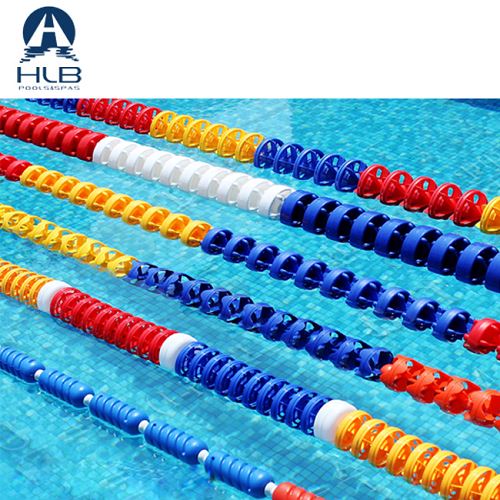

- Enhanced safety: Pool lights provide visibility in the pool, making it safer to swim at night or in low - light conditions. This can help prevent accidents and injuries.
- Aesthetic appeal: Pool lights can transform the look of your pool, creating a beautiful and inviting atmosphere. You can choose from a variety of colors and lighting effects to suit your personal style and the overall design of your pool.
- Extended pool use: With pool lights, you can enjoy your pool at any time of the day or night. This extends the usability of your pool, allowing you to get more enjoyment out of your investment.
Considerations for Pool Lights in Pools with Salt - Free Chlorination Systems
While pool lights are generally compatible with salt - free chlorination systems, there are a few additional considerations to keep in mind:
- Lighting placement: The placement of your pool lights can affect their performance and the overall look of your pool. Consider the size and shape of your pool, as well as the location of any obstacles or features, when deciding where to install the lights.
- Energy efficiency: Pool lights can consume a significant amount of energy, especially if they are left on for long periods of time. Look for energy - efficient pool lights that use LED technology, which can help reduce your energy costs.
- Maintenance: Regular maintenance is essential to keep your pool lights in good working condition. This includes cleaning the lights, checking the seals and gaskets, and replacing any damaged parts as needed.
Conclusion
In conclusion, pool lights can be used in pools with a salt - free chlorination system. By choosing high - quality pool lights, maintaining proper water chemistry, and following the manufacturer's instructions, you can ensure that your pool lights provide years of reliable service and enhance the enjoyment of your pool.
If you're interested in purchasing pool lights for your pool with a salt - free chlorination system, or if you have any questions about our products, please don't hesitate to initiate a conversation with us to explore potential business opportunities and discuss your specific requirements. We're here to help you find the perfect pool lighting solution for your needs.
References
- Chemistry of Pool Sanitization. Journal of Pool and Spa Technology.
- Best Practices for Pool Light Installation and Maintenance. Pool & Spa Industry Association.