Does the pool cleaner manual mention any energy - saving tips?
Leave a message

As a provider of Pool Cleaner Manuals, I often get asked whether our manuals mention any energy-saving tips. The answer is a resounding yes! In today's world, where energy efficiency is not just a buzzword but a necessity, our pool cleaner manuals are packed with valuable insights to help pool owners reduce their energy consumption without compromising on the cleanliness and functionality of their pools.
Understanding the Energy Consumption of Pool Cleaners
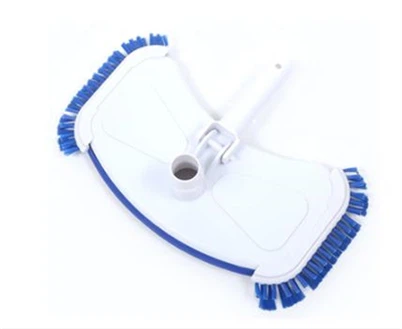
Before delving into the energy-saving tips, it's important to understand how pool cleaners consume energy. Pool cleaners, whether they are robotic, suction-side, or pressure-side, rely on motors to operate. These motors draw electricity to power the cleaning mechanisms, such as brushes, pumps, and filters. The energy consumption can vary depending on the type of cleaner, its size, and the frequency of use.
Robotic pool cleaners are generally more energy-efficient than suction-side and pressure-side cleaners. They are self-contained units that operate independently of the pool's filtration system. This means they can clean the pool without using the pool pump, which is one of the biggest energy consumers in a pool setup. Suction-side and pressure-side cleaners, on the other hand, rely on the pool pump to create the necessary suction or pressure for cleaning. As a result, they tend to consume more energy.
Energy-Saving Tips in Our Pool Cleaner Manuals
1. Optimal Cleaning Schedule
One of the most effective ways to save energy is to establish an optimal cleaning schedule. Our manuals recommend cleaning the pool only when necessary. For most residential pools, cleaning two to three times a week is sufficient to keep the pool clean. Over-cleaning not only wastes energy but also puts unnecessary wear and tear on the pool cleaner.
2. Use a Timer
Installing a timer for your pool cleaner can help you control the cleaning time and reduce energy consumption. Set the timer to run the cleaner during off-peak hours when electricity rates are lower. This not only saves you money but also helps to reduce the strain on the electrical grid.
3. Proper Maintenance
Regular maintenance of your pool cleaner is crucial for energy efficiency. A well-maintained cleaner will operate more efficiently and consume less energy. Our manuals provide detailed instructions on how to clean and maintain your pool cleaner, including how to clean the filters, brushes, and other components.
4. Choose the Right Cleaner
Selecting the right pool cleaner for your pool size and type is essential for energy efficiency. Our manuals provide guidance on how to choose the appropriate cleaner based on your pool's dimensions, shape, and usage. For example, if you have a small pool, a robotic cleaner may be the most energy-efficient option. If you have a large pool, a suction-side or pressure-side cleaner may be more suitable.
5. Upgrade Your Equipment
If your pool cleaner is old and inefficient, consider upgrading to a newer, more energy-efficient model. Newer pool cleaners are designed with advanced technologies that consume less energy while providing better cleaning performance. Our manuals provide information on the latest pool cleaner models and their energy-saving features.
Additional Energy-Saving Tips for Pool Owners
In addition to the tips mentioned in our pool cleaner manuals, there are several other ways pool owners can save energy.
1. Use Energy-Efficient Pool Lights
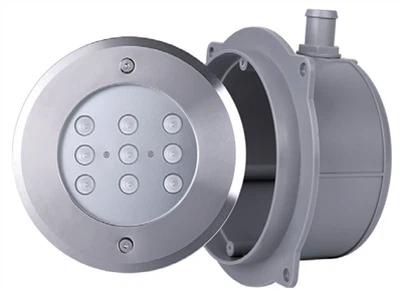
Pool lights can consume a significant amount of energy, especially if they are left on for long periods. Consider using energy-efficient pool lights, such as 12V Submersible Spot Light. These lights use less energy and provide better illumination than traditional pool lights.
2. Maintain Proper Water Chemistry
Proper water chemistry is essential for the health and efficiency of your pool. Our manuals provide information on how to maintain the correct pH, alkalinity, and chlorine levels in your pool. By keeping the water chemistry balanced, you can reduce the amount of energy needed to operate the pool pump and other equipment.
3. Use a Pool Cover
A pool cover can help to reduce energy consumption by preventing heat loss and evaporation. Our manuals recommend using a pool cover when the pool is not in use. This not only saves energy but also helps to keep the pool clean and reduces the need for chemical treatments.


4. Upgrade Your Pool Pump
The pool pump is one of the biggest energy consumers in a pool setup. Consider upgrading to a variable-speed pool pump, which can adjust its speed based on the pool's needs. This can significantly reduce energy consumption compared to a single-speed pump.
Conclusion
In conclusion, our Pool Cleaner Manuals are a valuable resource for pool owners looking to save energy. By following the energy-saving tips mentioned in our manuals, pool owners can reduce their energy consumption, save money, and contribute to a more sustainable environment. Whether you are a new pool owner or an experienced one, our manuals provide the information and guidance you need to keep your pool clean and energy-efficient.
If you are interested in purchasing our Pool Cleaner Manuals or have any questions about energy-saving tips for your pool, please feel free to contact us for a procurement discussion. We are committed to providing high-quality products and services to our customers and look forward to helping you make the most of your pool.
References
- "Energy Efficiency in Pool Equipment" - Pool & Spa News
- "The Benefits of Using a Pool Cover" - The Spruce
- "Maintaining Proper Water Chemistry in Your Pool" - InTheSwim