What is the resistance of recessed pool lights to chemicals in the pool?
Leave a message

Hey there! As a supplier of recessed pool lights, I often get asked about their resistance to the chemicals in the pool. It's a super important question, considering the harsh environment these lights have to endure. So, let's dive right in and explore this topic in detail.
First off, let's talk about the chemicals commonly found in swimming pools. Chlorine is the big one. It's used to kill bacteria, viruses, and other harmful organisms that can make swimmers sick. Chlorine exists in different forms, like chlorine gas, sodium hypochlorite, and calcium hypochlorite. When these forms are added to water, they create hypochlorous acid and hypochlorite ions, which are the sanitizing agents.
Another chemical is bromine, which is also used as a sanitizer. Bromine is a bit more stable than chlorine in warm water and is less likely to cause irritation to the skin and eyes. Then there are pH adjusters like muriatic acid (hydrochloric acid) and sodium carbonate. These are used to keep the pool water's pH level in the right range, usually between 7.2 and 7.8. If the pH is too high or too low, it can affect the effectiveness of the sanitizers and cause corrosion or scaling in the pool.
Now, how do these chemicals affect recessed pool lights? Well, chlorine and bromine are oxidizing agents. They can break down organic materials over time. For the plastic parts of the recessed pool lights, this can lead to discoloration, cracking, and a loss of structural integrity. The rubber gaskets that seal the lights to prevent water from getting inside can also be degraded by these chemicals. If the gaskets fail, water can seep into the light fixture, causing electrical problems and potentially ruining the light.
The metal components of the lights are also at risk. Chlorine and bromine can cause corrosion, especially in the presence of water. This is a big deal because corrosion can weaken the metal, leading to leaks and a shorter lifespan for the light. The electrical contacts inside the light can also corrode, which can affect the performance of the light, making it dim or causing it to flicker.
pH adjusters can also have an impact. If the pH of the pool water is too low (acidic), it can etch the glass lens of the light, making it cloudy and reducing the light output. On the other hand, if the pH is too high (alkaline), it can cause scaling on the lens and other parts of the light, which can also reduce the light's efficiency.
So, what do we do as a recessed pool lights supplier to ensure our lights can withstand these chemicals? We use high - quality materials that are resistant to chemical damage. For the plastic parts, we often use polymers that have been specifically formulated to be chlorine - and bromine - resistant. These plastics are more durable and less likely to break down over time.
The rubber gaskets are made from materials like EPDM (ethylene propylene diene monomer), which is known for its excellent resistance to chemicals, heat, and weathering. This helps to maintain a tight seal and prevent water from entering the light fixture.
For the metal components, we use corrosion - resistant metals such as stainless steel. Stainless steel has a protective layer of chromium oxide on its surface, which prevents further oxidation and corrosion. This ensures that the metal parts of the light can last for a long time in the pool environment.
We also conduct rigorous testing on our lights. We expose them to simulated pool conditions with different concentrations of chemicals and different pH levels. This helps us to identify any potential weaknesses in the design or materials and make improvements before the lights are released to the market.
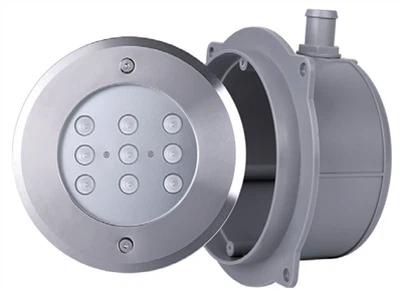
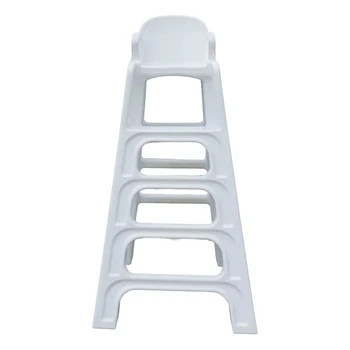
Now, let's talk about some of the other products we offer. Check out our Pool Reflecting Light at the Bottom. It's a great addition to any pool, creating a beautiful and relaxing atmosphere. And if you're in need of lifeguard equipment, our Full Plastic PE Lifeguard Chair is a durable and comfortable option. Oh, and for keeping your pool clean, we have Auto Electric Pool Cleaners that can do the job efficiently.
If you're in the market for recessed pool lights or any of our other products, we'd love to hear from you. Whether you're a pool owner looking to upgrade your pool or a business in the pool industry, we can provide you with high - quality products at competitive prices. Reach out to us to start a conversation about your specific needs. We're here to help you make the best choice for your pool.
In conclusion, the resistance of recessed pool lights to chemicals in the pool is a crucial factor in their performance and lifespan. By using high - quality materials and conducting thorough testing, we can ensure that our lights can handle the harsh pool environment. So, don't hesitate to contact us for all your pool lighting and equipment needs.
References:

- "Chemicals in Swimming Pools" by the Centers for Disease Control and Prevention
- "Pool and Spa Water Chemistry: The Complete Guide" by John W. Ferguson