How do I know if a pool vacuum hose is high - quality?
Leave a message

As a supplier of pool vacuum hoses, I understand the importance of offering high - quality products to our customers. Pool owners rely on these hoses to keep their pools clean and free of debris. But how can one tell if a pool vacuum hose is of high quality? In this blog, I'll share some key factors to consider when evaluating the quality of a pool vacuum hose.
Material Quality
The material of the pool vacuum hose is a fundamental aspect that determines its quality. High - quality hoses are typically made from durable and flexible materials. PVC (Polyvinyl Chloride) is a popular choice in the industry. It offers a good balance between flexibility and strength. A high - grade PVC hose will be resistant to kinking, which is a common issue with lower - quality hoses. Kinking can disrupt the flow of water and debris through the hose, reducing the efficiency of the pool vacuum.
Another material consideration is the thickness of the hose wall. Thicker walls generally indicate a more robust and long - lasting hose. A thin - walled hose may be more prone to punctures and leaks, especially when used in a pool environment where it may come into contact with sharp objects like pool toys or rough pool surfaces. For example, if a hose has a wall thickness of at least 0.06 inches, it is likely to be more durable compared to a hose with a wall thickness of 0.03 inches.
Connector Quality
The connectors on a pool vacuum hose are just as important as the hose itself. High - quality connectors are made from corrosion - resistant materials such as stainless steel or high - grade plastic. Corrosion can cause the connectors to weaken over time, leading to leaks or a poor connection between the hose and the pool vacuum or other equipment.
A good connector should fit snugly and securely onto the hose and the pool vacuum. It should also be easy to attach and detach for cleaning and storage. Some high - end connectors feature a locking mechanism that ensures a tight seal, preventing any water or debris from escaping. For instance, a push - lock connector design can provide a reliable and leak - free connection, which is essential for efficient pool cleaning.


Flexibility and Bend Radius
Flexibility is a crucial factor when it comes to pool vacuum hoses. A flexible hose allows you to easily maneuver around the pool, reaching all corners and edges. It should be able to bend without kinking or restricting the flow of water. The bend radius of a hose is a measure of how sharply it can bend without causing issues. A smaller bend radius indicates a more flexible hose.
A high - quality pool vacuum hose should have a bend radius of at least 2 inches. This allows it to make tight turns around pool steps, ladders, and other obstacles. If a hose has a large bend radius, it may be difficult to use in a pool with complex shapes or features. For example, in an irregularly shaped pool, a flexible hose with a small bend radius will be much more effective in reaching all areas compared to a stiff hose.
Length and Diameter
The length and diameter of the pool vacuum hose also play a role in its quality and performance. The length of the hose should be appropriate for the size of the pool. A hose that is too short may not be able to reach all parts of the pool, while a hose that is too long can be cumbersome to handle and may reduce the suction power of the pool vacuum.
The diameter of the hose affects the flow rate of water and debris. A larger diameter hose generally allows for a higher flow rate, which means more efficient cleaning. However, it also requires more suction power from the pool vacuum. For most residential pools, a hose with a diameter of 1.5 to 2 inches is suitable. This provides a good balance between flow rate and suction power. For larger commercial pools, a hose with a diameter of 2 to 3 inches may be more appropriate.
Compatibility
A high - quality pool vacuum hose should be compatible with a wide range of pool vacuums and other equipment. It should fit most standard pool vacuum models, ensuring that customers can easily integrate it into their existing pool cleaning systems. Compatibility also extends to other pool accessories, such as skimmers and pumps.
Before purchasing a pool vacuum hose, it is important to check the manufacturer's specifications to ensure compatibility. Some hoses may come with adapters or fittings to make them compatible with different types of equipment. For example, if you have an older pool vacuum model, a hose that comes with adapters can still be a good choice.
Brand Reputation and Customer Reviews
The brand reputation of the pool vacuum hose supplier is an important indicator of quality. Established brands with a long history of producing high - quality pool products are more likely to offer reliable hoses. You can research the brand online, looking for customer reviews and ratings. Positive reviews from other pool owners can give you confidence in the quality of the product.
In addition to online reviews, you can also ask for recommendations from pool professionals, such as pool cleaners or installers. They have experience with different brands and models of pool vacuum hoses and can provide valuable insights. For example, if a brand is known for its durable hoses and excellent customer service, it is likely to be a good choice.
Testing and Certification
High - quality pool vacuum hoses often undergo testing to ensure they meet certain standards. Look for hoses that have been tested for factors such as pressure resistance, leak - proof performance, and durability. Some hoses may have certifications from independent testing organizations, such as the Underwriters Laboratories (UL) or the American Society for Testing and Materials (ASTM).
Certifications indicate that the hose has been rigorously tested and meets specific quality and safety standards. For example, a hose with a UL certification for pressure resistance is likely to be more reliable and safe to use in a pool environment.
Additional Features
Some high - quality pool vacuum hoses come with additional features that enhance their performance and convenience. For example, some hoses have a built - in anti - kink spiral design. This spiral helps to prevent kinking by providing extra support and flexibility. It can also make the hose more resistant to abrasion.
Other hoses may have a smooth interior surface, which reduces friction and allows for a more efficient flow of water and debris. This can improve the suction power of the pool vacuum and reduce the likelihood of clogs.
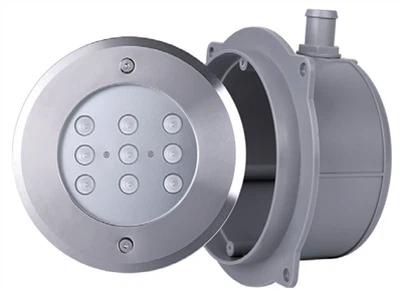
In addition to the pool vacuum hoses, we also offer a range of other high - quality pool products. You can check out our LED Color Changing Pool Wall Light, which can add a beautiful and colorful touch to your pool at night. Our PH and ORP Controller for Swimming Pool helps you maintain the proper water quality in your pool. And for those who love pool racing, our Plastic Pool Racing Lane Lines are a great addition to your pool.
If you are interested in purchasing high - quality pool vacuum hoses or any of our other pool products, please feel free to contact us for a detailed discussion. We are committed to providing the best products and services to our customers.
References
- "Pool Maintenance Handbook" by Pool & Spa News
- "Swimming Pool Technology" by the National Swimming Pool Foundation