How do I test the functionality of a new pool filter?
Leave a message

Hey there! If you're like me, someone who's into the pool business as a Pool Filters supplier, you know how crucial it is to ensure that every filter we send out works like a charm. Testing the functionality of a new pool filter isn't just a formality; it's a key step in guaranteeing our customers get the best value for their money. In this blog, I'm gonna walk you through the process of testing a new pool filter from start to finish.
Getting Prepared
Before we even start the actual testing, we need to gather all the necessary tools and make sure the environment is just right. First off, you'll want to have a few basic tools at hand: a pressure gauge, a flow meter, and a chemical testing kit. These are gonna help you measure different aspects of the filter's performance.
The pressure gauge is used to check the pressure inside the filter. A normal operating pressure is a good sign that the filter is working properly. The flow meter, on the other hand, measures the rate at which water is flowing through the filter. This is important because if the flow rate is too low, it could mean there's a blockage or the filter isn't powerful enough.
The chemical testing kit helps you monitor the water quality. You'll want to test for things like chlorine levels, pH, and alkalinity. These parameters can affect the efficiency of the filter and the overall health of the pool water.
Next, you need to set up the filter in a test tank or a small pool. Make sure the tank is filled with clean water and all the connections are secure. You don't want any leaks during the testing process, as it can mess up your results.

Initial Checks
Once the filter is set up, it's time for some initial checks. Start by visually inspecting the filter for any obvious damage or defects. Look for cracks in the housing, loose fittings, or damaged seals. If you find anything wrong, it's better to fix it before you start the testing.
After the visual inspection, turn on the pump and let the water start flowing through the filter. Keep an eye on the pressure gauge and the flow meter. The pressure should gradually increase as the water starts to build up in the filter. If the pressure doesn't increase or increases too quickly, it could be a sign of a problem.
The flow rate should also be within the manufacturer's specifications. If it's too low, it could mean there's a blockage in the filter or the pump isn't working properly. You can try cleaning the filter or checking the pump to see if that fixes the issue.
Testing Water Quality
One of the most important aspects of testing a pool filter is to check its ability to improve water quality. This is where the chemical testing kit comes in handy. Take a sample of the water before it enters the filter and another sample after it comes out.
Test the samples for chlorine levels, pH, and alkalinity. The filter should be able to remove impurities and keep the chemical levels in balance. If the chlorine levels drop too much, it could mean the filter is absorbing too much of the chlorine. On the other hand, if the pH or alkalinity levels change significantly, it could indicate that the filter is affecting the water chemistry in a negative way.
You can also test for other contaminants like bacteria and algae. A good pool filter should be able to reduce the levels of these contaminants to a safe level. You can use a special testing kit to check for bacteria and algae in the water.
Long - Term Testing
Testing the filter for a short period of time might not give you the full picture. You should also conduct long - term testing to see how the filter performs over an extended period. This could involve running the filter continuously for a few days or even weeks.
During the long - term testing, keep a record of the pressure, flow rate, and water quality. You might notice some changes in these parameters over time. For example, the pressure might gradually increase as the filter becomes clogged with debris. This is normal, but you'll want to know when it's time to clean or replace the filter.
If you notice any significant changes in the water quality or the performance of the filter, it could be a sign that there's a problem. In that case, you'll need to investigate further to find out what's causing the issue.
Other Pool Equipment Considerations
While testing the pool filter, it's also worth considering how it interacts with other pool equipment. For instance, you might want to check how it works with a PH and ORP Controller for Swimming Pool. These controllers are used to maintain the proper chemical balance in the pool water. A good filter should work in harmony with the controller to keep the water clean and safe.
Another piece of equipment to think about is the Automatic Pool Cleaner for Dolphin. The filter should be able to handle the debris that the cleaner picks up. If the filter gets overwhelmed by the amount of debris, it could lead to reduced performance.
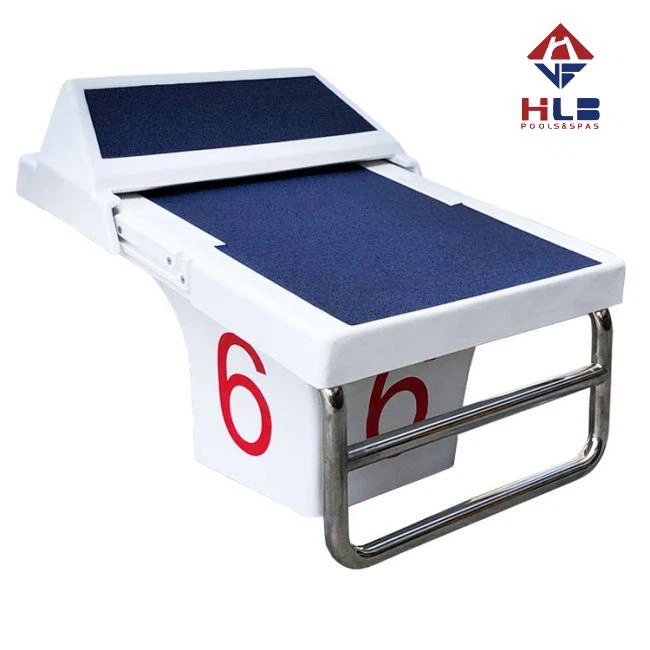
And if you're dealing with a competitive swimming pool, the Starting Blocks For Swimming might not seem directly related to the filter, but a clean pool environment is essential for a good swimming experience around these blocks.
Conclusion
Testing the functionality of a new pool filter is a multi - step process that requires attention to detail. From the initial setup and visual inspection to long - term performance monitoring, every step is important in ensuring that the filter works as it should.
As a Pool Filters supplier, I know that our customers rely on us to provide high - quality products. By thoroughly testing each filter before it goes out, we can be confident that we're delivering the best possible solution for their pool needs.
If you're interested in purchasing our pool filters or have any questions about the testing process, feel free to reach out for a procurement discussion. We're always happy to help you find the right filter for your pool.
References
- "Pool and Spa Operator Handbook"
- Manufacturer's guides for pool filters and related equipment