What should I do if my pool liner is discolored?
Leave a message

Hey there, pool owners! I'm [your name], and I run a pool liners supply business. We've been in this game for quite a while, and I've seen it all when it comes to pool liner issues. One of the most common problems I get asked about is discolored pool liners. It's a real bummer when your once-beautiful pool liner starts looking all blotchy and dull, but don't worry—I've got some tips and tricks to help you out.
What Causes Pool Liner Discoloration?
Before we dive into the solutions, let's talk about what causes pool liner discoloration in the first place. There are a few different culprits, and understanding them can help you prevent future problems.
1. Chemical Imbalance
One of the most common causes of pool liner discoloration is a chemical imbalance in the water. If the pH, alkalinity, or chlorine levels are off, it can cause the liner to fade, stain, or turn yellow. For example, high chlorine levels can bleach the liner, while low pH levels can cause metal stains. To keep your pool water balanced, you should test it regularly and adjust the chemicals as needed. You can find some great pool testing kits and chemicals on our website.


2. Sun Exposure
Another major cause of pool liner discoloration is sun exposure. Over time, the UV rays from the sun can break down the liner's pigments, causing it to fade. This is especially true for light-colored liners. To protect your liner from the sun, you can use a pool cover when the pool is not in use. We offer a great 24 Foot Above Ground Solar Cover Reel that not only protects your liner but also helps to heat your pool.
3. Algae and Bacteria
Algae and bacteria can also cause pool liner discoloration. They can grow on the liner and create stains or discoloration. To prevent algae and bacteria growth, you should keep your pool clean and well-maintained. This includes regular brushing, vacuuming, and skimming, as well as using a good quality pool sanitizer. We recommend starting each swimming season with a Chlorine Shock for Season Start to kill any bacteria or algae that may have accumulated over the winter.
4. Metal Contamination
Metal contamination in the pool water can also cause liner discoloration. Metals such as iron, copper, and manganese can dissolve in the water and then oxidize on the liner, creating stains. This can happen if your pool water is sourced from a well or if you have metal pipes or equipment in your pool. To remove metal stains from your liner, you can use a metal sequestrant or a stain remover.
What Should I Do if My Pool Liner is Discolored?
Now that you know what causes pool liner discoloration, let's talk about what you can do to fix it. Here are some steps you can take:
1. Test Your Pool Water
The first thing you should do is test your pool water to check the pH, alkalinity, and chlorine levels. You can use a pool testing kit to do this. If the levels are off, you should adjust the chemicals as needed to bring them back into balance. This can help prevent further discoloration and may even improve the appearance of the existing stains.
2. Clean Your Pool
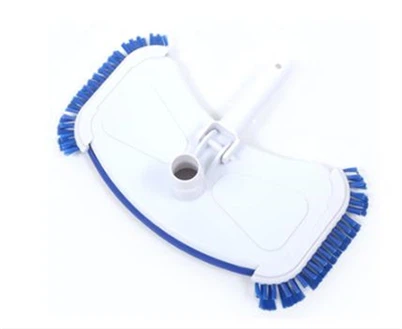
Next, you should give your pool a thorough cleaning. This includes brushing the walls and floor of the pool to remove any dirt, debris, or algae. You should also vacuum the pool to remove any sediment that has settled on the bottom. Make sure to use a pool brush and vacuum that are safe for use on your liner.
3. Treat the Stains
If your pool liner has stains, you can try treating them with a stain remover. There are many different types of stain removers available on the market, so make sure to choose one that is safe for use on your liner. Follow the instructions on the stain remover carefully and test it on a small, inconspicuous area of the liner first to make sure it doesn't cause any damage.
4. Use a Metal Sequestrant
If you suspect that metal contamination is causing the discoloration, you can use a metal sequestrant to remove the metals from the water. A metal sequestrant works by binding to the metals and preventing them from oxidizing on the liner. Make sure to follow the instructions on the metal sequestrant carefully and add it to your pool water as directed.
5. Replace the Liner
If the discoloration is severe and none of the above methods work, you may need to replace the pool liner. This is a more expensive option, but it can give your pool a fresh new look. When choosing a new liner, make sure to choose one that is high-quality and durable. We offer a wide range of pool liners in different colors and styles to suit your needs.
Preventing Future Pool Liner Discoloration
Once you've fixed the discoloration problem, you'll want to take steps to prevent it from happening again. Here are some tips:
1. Maintain Proper Water Chemistry
As I mentioned earlier, maintaining proper water chemistry is crucial for preventing pool liner discoloration. Test your pool water regularly and adjust the chemicals as needed to keep the pH, alkalinity, and chlorine levels in balance.
2. Use a Pool Cover
Using a pool cover when the pool is not in use can help protect your liner from the sun, dirt, and debris. It can also help to keep the water warm and reduce evaporation.
3. Clean Your Pool Regularly
Regular cleaning is essential for keeping your pool liner in good condition. Brush the walls and floor of the pool at least once a week, and vacuum the pool regularly to remove any sediment.
4. Use a Good Quality Pool Pump
A good quality pool pump is important for keeping the water in your pool circulating properly. This helps to prevent the growth of algae and bacteria and keeps the water clean and clear. We offer a great 2.5 Hp Good Quality Pool Pump that is energy-efficient and reliable.
Conclusion
Discolored pool liners can be a real headache, but with the right knowledge and tools, you can fix the problem and prevent it from happening again. If you have any questions or need help choosing the right products for your pool, don't hesitate to contact us. We're here to help you keep your pool looking its best. Whether you need a new pool liner, chemicals, or equipment, we've got you covered. So, if you're in the market for pool liners or related products, feel free to reach out to us for a quote and start a procurement discussion. We look forward to working with you!
References
- "Pool Liner Maintenance and Care." Pool & Spa News.
- "How to Prevent and Treat Pool Liner Discoloration." The Spruce.
- "Understanding Pool Water Chemistry." InTheSwim.